September 10, 2025
 How AI Will Change the Workplace in the Next Decadeby admin / February 9, 2026
Live Better, Live Smart
The practice of zero-waste cooking requires food preparation practices that exceed standard waste reduction methods. The process requires you to use all parts of an ingredient including peels, stems, bones and any remaining pieces. You begin to view your kitchen waste as materials that will help you create your upcoming dish instead of treating it as garbage.
Most home cooks find this method suitable for their daily routines because they can preserve vegetable scraps to create stock and transform expired bread into croutons and use citrus peels to create zests and infusions. The system develops through time into a better method of shopping, food storage and cooking which reduces waste while delivering fresh and tasty meals.
Zero-waste cooking combines two main goals which include decreasing food waste that can be avoided and maximizing value from purchased items. The requirement states that all waste materials need to be removed from your residence. The requirement states that you must:
The concept presents itself through a straightforward approach which requires you to maintain food within your kitchen space and dining area instead of placing it into the garbage bin.
The worth of this activity stems from its ability to demonstrate value through its execution. Most people do not understand that food waste constitutes a larger environmental issue than they believe. The agricultural sector generates food through its entire process which results in the complete loss of product because people do not consume 30 percent of what farmers produce. In households, waste often comes from unused parts of vegetables, over‑buying, or misunderstanding expiry labels.
The cooking process becomes more artistic when people begin to create new recipes through their ability to use leftover food parts.
Your kitchen requires no complete transformation at this moment because you can make progress through continuous small actions.
Before heading to the store, check what you already have and plan 3–4 meals around those ingredients. The method helps to decrease unplanned purchases while stopping food waste because it controls what customers buy.
Here are simple ways to turn common “waste” into food:
People can test these complete waste-free recipes. People can prepare waste-free dishes without using sophisticated cooking methods.
The following three ideas show you how to use your current home materials to create zero-waste solutions.
The pesto can be used as a sauce for pasta and sandwiches and grilled vegetables and as a dip.
Zero-waste cooking starts with your food purchasing habits and your food storage methods. You can reduce plastic and packaging by:
You will experience three changes when you adopt the practice of using every ingredient part during cooking.









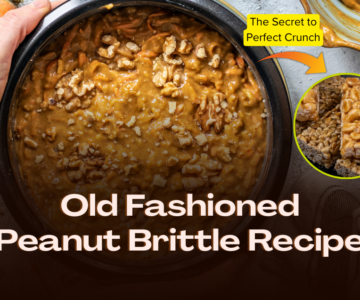
This recipe for old fashion peanut brittle shows how simply to make a delightful treat that has the perfect crunch in every bite. This fun treat is very easy to make, a great snack for yourself and for others and is a great gift idea!!
You will spend roughly 45 minutes on the active part of the process of making this brittle plus another time for it to cool and harden. This sweet can be prepared every season but is a highlight of the festive seasons.
Peanut Brittle is a type of hard candy that is a flat slab filled with peanuts and was created from making a syrup made from sugar until it was hard enough to form a glassy, crisp sheet.
Peanut brittle was made in the 1800s, mainly in the Southern United States. The use of baking soda, in particular, is a key ingredient in the production of peanut brittle as it causes the hot sugar syrup to foam rapidly and very tiny air bubbles to be trapped which makes the brittle not too chewy and not too hard at the same time. Peel off pieces or shavings that you can snack on, or use it to sprinkle on top of ice cream – it’s pure nostalgia!
With this recipe, you will get 1.5 to 2 pounds, which is sufficient to cover a large baking sheet. Nothing special here, just common ingredients:
| Ingredient | Quantity | Why It Matters |
| Granulated sugar | 2 cups | Turns into the caramel base |
| Light corn syrup | 1 cup | Stops it from getting grainy |
| Water | 1/2 cup | Gets the sugar dissolving |
| Roasted peanuts | 2 cups | The crunchy stars – Spanish ones are best |
| Butter | 2 Tbsp | Gives it that rich flavor |
| Baking soda | 1 tsp | The crunch maker |
| Vanilla extract | 1 tsp | Brings a pleasant warmth |
I prefer unsalted peanuts for the reason that I can manage the salt, but if yours are plain, just throw in a tiny bit.
Thoroughly obey these instructions – heat is critical, but it’s not very difficult. The real-time for work is around 30 to 40 minutes plus an hour of cooling.
Layer shards with parchment in a tin or jar – good for 6 to 8 weeks in a cool spot. Freezer lasts 3 months; thaw dry. No fridge, or it gets soggy.
Probably didn’t quite hit 300°F. Thermometer next time.
Honey’s okay, but might get a little grainy.
Sugar at 300°F dries out and goes glassy. Baking soda fizzes and adds bubbles for airiness. Butter helps everything stick together nicely.
6 to 8 weeks at room temp, ages in the freezer.
Give this old fashioned peanut brittle a go – once you get the hang of it, you’ll be hooked on that crunch.

Creating a luxurious bedroom sanctuary is all about combining comfort with style. Whether you’re starting from scratch or upgrading your current setup, selecting the right pieces of furniture can transform your space into a haven of elegance and relaxation. Here’s a detailed guide to the must-have pieces for a stylish, luxury bedroom, including top brands and examples.
The bed is the focal point of any luxurious bedroom, so investing in a statement bed frame is crucial. Here are some luxurious options:
2. High-Quality Mattress Furniture
A luxurious bedroom isn’t complete without a high-quality mattress. Comfort is key, so choose a mattress that offers excellent support and feels plush. Here are some top brands:
Nightstands provide both functionality and style. Here are some elegant options:
Investing in high-quality linens is essential for a luxurious feel. Here are some top brands:
A chic dresser or chest of drawers is both a practical storage solution and a stylish addition to your bedroom furniture. Here are some options:
Incorporate a cozy seating area to enhance the comfort and functionality of your bedroom. Here are some stylish options:
Lighting plays a crucial role in setting the mood in a luxury bedroom. Here are some sophisticated options:
A vanity is a luxurious addition for those who enjoy having a dedicated space for grooming. Here are some top options:
A plush area rug can tie the room together while adding warmth and texture. Here are some luxurious options:
Finally, personalize your luxurious bedroom furniture with accents that reflect your taste and personality. Here are some ideas:
For those with ample bedroom space, a super king size divan base offers unparalleled luxury and comfort. Here are some top choices:
When selecting bed bases, especially in Melbourne, consider the style and material that will best suit your bedroom’s aesthetic. Here are some recommendations:
A king single bed with drawers is an excellent choice for maximizing space without compromising on style. Here are some options:
Creating a luxurious bedroom involves thoughtful selection of furniture and décor that combine comfort, functionality, and style. By investing in these must-have pieces, you can transform your bedroom into a stylish sanctuary that exudes elegance and tranquility. Remember, luxury is all about the details, so choose items that bring you joy and enhance the overall aesthetic of your space.