September 10, 2025
 Integrating Micro-Insurance for Repairs Within the App Ecosystemby admin / September 3, 2025
Live Better, Live Smart
It’s tempting to underestimate the importance of everyday skills these days. Baking bread, mending a shirt or fixing a pipe isn’t going to change the world or so it seems. But it can make better neighborhoods. They’re not just tasks, everyday skills that build communities, practical life, also skills that unite people in trust, cooperation and responsibility.
Community resilience is not necessarily based on technology or institutions. Instead, it can depend on assisting neighbors, sharing traditions and helping out when needed.
Everyday skills can be divided into:
These combined skills strengthen communities, improve cooperation and highlight the role of social skills for stronger communities.
Ordinary acts of sharing skills, teaching someone to bake or repair plumbing are not only practical. They make individuals feel connected. This collective identity is the reason everyday skills that build communities continue to be timeless and necessary.
In ancient times, sharing of skills meant survival. Villagers baked together, tilled the land together and constructed shelters together. Such heritage reminds us that coordination is the foundation of human society.
Human communities have always grown stronger by sharing skills through trade, craftsmanship and cooperative work.
Baking as a Community-Building Skill
Food is one of the most powerful mediums for uniting people. Baking, indeed, has long stood for care and welcoming.
Shared kitchens and community bake sales enable neighbors to share skills while raising money and bringing smiles.
Plumbing is one of the most fundamental systems for everyday living. A neighbor who can repair a leak or clean a clogged drain is not only pocketing money, but solidifying the ideology of everyday skills that build communities i.e. functional knowledge shared in the interest of the common good.
Digital literacy is another type of civic skill, enabling neighbors to become informed and connected.
The future belongs to the fusion of ancient skills such as plumbing with new-age solutions like water-saving systems.
Advantages of Civic Skills in Community Development
Saving through sharing occurs whether it is community gardens, sharing meals or simply plumbing repairs.
Neighbours who help and teach one another build strong connections and long-lasting relationships.
Regular skills promote reuse and fix, making neighborhoods greener and more sustainable.
Neighborhoods that have a variety of skills are able to better respond to emergencies, either natural disasters or an unexpected shortage.
Getting residents to practice practical skills makes neighborhoods stronger and more independent. Independence keeps neighborhoods strong and more self-sustaining.
This is the real spirit of everyday skills that build communities to prepare for tomorrow by sharing and learning today.
Leak repair, drain unclogging and water supply valve shutdown are fundamental musts.
Plumbers usually go through vocational training and apprenticeships for gaining hands-on experience as they learn.
They work in residences, schools, businesses and construction projects.
Have both technical abilities like installations and softer skills like working together.
Being detail-oriented, having strong hands on skills, solving problems efficiently and being dependable are some of the most important traits.
They give easy to follow up, step-by-step instructions and it becomes simple to deal with small plumbing problems.
Communities are not constructed on roads and buildings, they’re constructed on people and information. Everyday Skills That Build Communities like baking, gardening and plumbing are timeless practical life skills that create trust, cooperation and neighborhood resilience.
Each loaf baked, each garden sown and each pipe fixed is more than just a job done. It’s unity. Through handing off these skills, communities are strengthened, sustainable and resilient for the future.
The path to thriving neighborhoods is in celebrating and handing on the practical skills that build community.










Filing a complaint with the Better Business Bureau (BBB) can be a helpful step when you’re dealing with a business that isn’t meeting expectations, whether it’s due to poor service, a faulty product, or unresolved customer issues. But once you submit your complaint, what happens next? In this post, we’ll break down the process and explain what you can expect after you file a complaint with the BBB.
The first step in the process is submitting your complaint to the BBB. This can be done online through the BBB’s website or by phone. You’ll need to provide details about your experience with the business, including:
Once submitted, you’ll receive an acknowledgment from the BBB, confirming they’ve received your complaint. At this stage, they may ask for any additional information or clarification if needed. You will also get a complaint number to track the progress of your case.
After your complaint is submitted, the BBB contacts the business you’re filing against. This is done through their secure system, where the business will receive a copy of your complaint. The business is then given a chance to respond. Generally, they have 14 days to reply.
The business has several options when responding to your complaint:
If the business provides a response, the BBB will forward it to you, allowing you the opportunity to accept or reject their proposed solution.
If the business and the customer are unable to come to an agreement, the BBB can step in and offer mediation. Mediation is a neutral third-party process where the BBB works to facilitate communication between the parties involved, helping them reach a fair and amicable resolution. Keep in mind, though, that the BBB cannot enforce legal actions or impose penalties; their role is limited to assisting with the resolution process.
Once a complaint is resolved, the BBB assigns a rating to the business based on how they handled the situation. If the business responds quickly and resolves the issue to your satisfaction, they may maintain or improve their rating. However, if they ignore or mishandle complaints, their rating could decrease, which may negatively impact their public image.
The BBB’s rating system takes into account several factors, including:
If a resolution is not reached, the Better Business Bureau may close the complaint without a formal resolution, but the business’s public record will still reflect the unresolved complaint, which may affect their reputation.
Even after your complaint is resolved (or closed without a resolution), the BBB continues to monitor businesses to ensure they adhere to ethical business practices. If a business accumulates a pattern of unresolved complaints, the Better Business Bureau may take additional steps, such as issuing a warning to consumers, offering guidance to the business to improve its practices, or even revoking their BBB accreditation if they fail to meet the BBB’s standards of honesty and transparency.
It’s important to remember that the BBB is not a legal body, so any resolution reached through the Better Business Bureau process is non-binding. If your issue remains unresolved or if you feel the business’s actions were unlawful, you may need to pursue legal action, such as filing a lawsuit, seeking a chargeback through your credit card company, or taking the case to small claims court.
Filing a complaint with the Better Business Bureau can be an effective way to hold businesses accountable for poor customer service or faulty products. While the BBB cannot force a business to provide a solution, it offers a structured process for resolving disputes and encourages companies to address customer complaints. By understanding the steps involved, you can make more informed decisions and potentially resolve conflicts with businesses more efficiently.
If you’re unhappy with a business and the situation seems unresolved, filing a complaint with the BBB is often worth considering. Just remember that while it can help facilitate communication and encourage a resolution, it is not a substitute for legal action if needed.
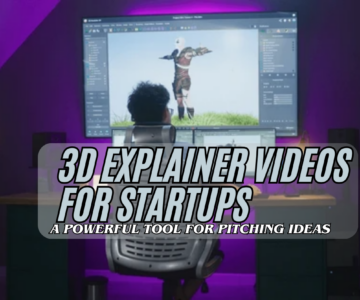
In the fast-paced world of startups, having a compelling pitch can be the key to capturing investors’ attention and winning over potential customers. One of the most powerful tools to help convey complex ideas and create a memorable impression is the 3D explainer video. Combining visual storytelling with dynamic, three-dimensional elements, 3D explainer videos offer a unique way to showcase your product, idea, or service, making it easier for audiences to understand and connect with your brand. Here’s a look at why 3D explainer videos can be transformative for startups looking to pitch their ideas effectively.
Traditional presentations can often struggle to communicate the full potential of an idea, especially if it’s rooted in technical, complex, or abstract concepts. 3D explainer videos bridge this gap by creating visualizations that are immersive, detailed, and easy to follow. Here’s why they stand out for startups:
Investing in 3D explainer videos offers numerous advantages for startups. Here are some of the main benefits:
Creating a powerful 3D explainer video involves some planning and collaboration. Here are a few key steps:
Many startups have found success through 3D explainer videos that resonate with investors and customers. Here are a few notable examples:
Creating 3D explainer videos requires specialized software tailored to different industry needs, whether you’re in tech, healthcare, education, or consumer goods.
As 3D video production becomes more accessible, this medium is emerging as a powerful tool for startups to pitch their ideas with impact. In a crowded marketplace, the combination of storytelling, immersive visuals, and the ability to simplify complex ideas makes 3D explainer videos a strategic asset. Whether you’re a tech innovator, a healthcare pioneer, or an environmental champion, investing in a high-quality 3D explainer video can be the difference between a fleeting pitch and a memorable, successful one.
Embrace the power of 3D, and watch your startup’s ideas come to life in ways that captivate, inform, and inspire.