September 10, 2025
 From Baking to Basic Plumbing: Everyday Skills That Build Communitiesby admin / September 4, 2025
Live Better, Live Smart
Helmets will always be vital for road safety. But in 2025, brands are learning how to position helmets as lifestyle and wellness products. Recent consumers want more from their everyday items, they expect them to represent lifestyle choices, wellness pursuits and to bolster their identity. This is reflected in the ascendance of helmets as no longer just a marker of protection, but items of fashion, health conscious product development and even wellness devices.
For brands, this change is a chance. By speaking to comfort, looks and overall wellness, a helmet can be marketed as a lifestyle and health product, something integral to a rider’s complete identity, not simply a requirement.
Perhaps one of the most discussed concerns? Helmets causing hair loss. Riders are afraid to wear a helmet, fearing their hair will be ruined.
In practice, helmet loss typically results from poorly fitting equipment, friction and encapsulated sweat not the helmet. Helmets do not restrict scalp suffocation when hair follicles take air from the bloodstream.
This shows that helmets can be designed with care, aligning with today’s wellness-focused lifestyle.
Consumers today tend to care a lot about what things look like and how they feel.
Research indicates that aesthetic designs can impact perception, experience and also usability. Design is especially resonant when comfort and form collaborate. Do this by providing helmets in trendy color schemes, muted finishes and streamlined shapes appropriate for metropolitan living. Add comfort with light shells, enhanced ventilation and contouring for extended wear key for regular commuters or fitness cyclists.
This combination of design and ergonomics raises a helmet to a lifestyle and health product, not just a means of protection, but something integral to daily style and personal care.
Personalization can make helmets into lifestyle statements. Providing personalized designs or branding such as color-matched accents, pattern wraps or logo placement goes beyond identity to create emotional connection.
Consider social sharing functionalities such as unique identifier tags (QR codes for care tips or community challenges) to drive engagement. Personalized helmets become identity markers, not merely something riders wear but something they co-create and hold dear as part of their wellness lifestyle.
Wellness-oriented products tend to provide benefits that extend past aesthetics. Helmets can as well. Hygiene, comfort and well-being features such as antimicrobial liners, temperature-control foam or UV visors enhance things with real consumer value.
Harmonizing with wellness technology can be a discriminator, a helmet that pairs with your fitness app (head movement, posture) or one providing soothing audio modules. Such inclusions talk directly to the “helmet as a lifestyle and wellness product” message. Combining technology and self-care elevates helmets from an item of equipment to a lifestyle improvement.
Tell the story of the helmet where the users are.
Not necessarily. Hair loss from helmets is usually due to tight fitting, friction or retained moisture not the helmet. Issues are avoided by proper fit and maintenance.
Wearing soft liners (silk, satin), airy padding and drying hair prior to riding promotes scalp health and aids in preventing breakage of the hair.
Yes. Combining sleek looks with certified protective elements allows you to balance style, comfort and functionality essential to wellness positioning.
Custom color combinations, designs, logos and even QR-enabled care instructions make the user feel connected and emotionally attached.
Yes, these elements enhance regular cleanliness, comfort and general user satisfaction, transforming the helmet into a clean, cool and health-focused accessory.
Transparency, education and evidence points such as testimonials, endorsements from experts and simple-to-follow care advice establish trust and show real benefits.
To make your helmet a lifestyle and wellness product, think outside of protection:
In doing so you will have shifted the conversation: a helmet is no longer simply PPE, it is now a wellness and lifestyle product that can also support health, aesthetics and self. And we live in a wellness-obsessed world, so that is a story people want to live in.









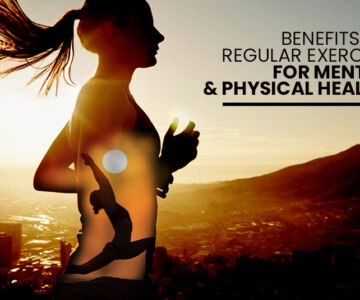
Engaging in physical activities is not only beneficial for our bodies, but it can also provide us with mental peace. It is an effective way to alleviate symptoms that contribute to low self-esteem. A structured workout routine can be followed daily to maintain the body’s structure. Regular exercise can reduce anxiety, stress levels, and heart and lung problems, as well as improve the efficiency of the cardiovascular system. Consistent exercise can also result in the production of endorphins, which trigger feelings of euphoria and serve as an excellent stress reliever.
Regular exercise can be a quick and effective way to alleviate symptoms of depression, anxiety, and stress. Engaging in physical activity can help reduce muscle tension and lower anxiety levels. Additionally, exercise activates the frontal regions of the brain responsible for bodily functions. You can easily perform anxiety-reducing exercises anytime and anywhere, such as deep breathing and visualization, muscle relaxation techniques, jogging, swimming, cycling, walking, and practicing mindfulness.
Did you know that physical exercise can greatly benefit your cardiovascular health? Engaging in moderate or vigorous-intensity exercise can help strengthen your cardiovascular system and reduce your risk of heart disease and stroke. Some possible benefits of exercise include lowering cholesterol levels, reducing blood pressure, preventing hypertension, and lowering the risk of heart attacks. If you exercise for just 30 minutes a day, you can enjoy these benefits and more. To best strengthen your heart, consider engaging in aerobic exercise, resistance training, stretching, flexibility, and balance exercises.
If you’re looking to manage diabetes, exercise can also be beneficial. By controlling your blood glucose levels, you can reduce your risk of diabetes and improve your cardiovascular health. Other benefits of exercise include weight loss, preventing the development of type 1 and 2 diabetes, increasing insulin sensitivity, and tightening muscles. For older adults with abdominal obesity, aerobics, and resistance training exercises can lower insulin resistance. For women with diabetes, spending at least 4 hours a week on exercise can reduce the risk of heart disease by 40%.
Physical activity has numerous benefits, including improving heart health, preventing cancer, and strengthening bones. It also promotes mental peace and enhances mood by triggering the release of chemicals like endorphins and serotonin. This can help reduce stress and depression. Even just 5 minutes of exercise can have an immediate positive impact on mood. Research suggests that following a proper exercise plan can also alleviate long-term depression. Physical activity can help divert our minds from negativity and focus on positive things.
In addition to the mental benefits, exercise can also improve bone health. It can aid in healing fractured bones, increase bone strength, and prevent future injuries. Regular exercise can improve balance and coordination, which is especially important as we age. It can prevent falls and help us maintain control. To strengthen bones, one should follow a regimen of weight-bearing exercises, strength-training exercises, and yoga.
Having a well-functioning brain is crucial for an active and healthy life. Engaging in physical exercise is a great way to activate brain cells and improve brain function, resulting in increased focus, better memory retention, flexibility, and the prevention of dementia. Exercise also helps to increase blood flow and promote better sleep.
Regular exercise has significant benefits for both physical and mental health. It positively impacts daily life by improving cardiovascular health, mental well-being, and brain function, reducing anxiety and depression levels, and strengthening bones.
Regular exercise increases overall health and well-being. Such as providing better sleep at night, increasing energy levels, mood boosters, stress relief, and improving memory power
Yes, regular exercise reduces depression levels and anxiety. Aerobic exercise is the best way to reduce your depression level. It includes running, jumping roofs, swimming, hiking, and kickboxing.
There is no research proof that exercise doesn’t lower the immune system. Researchers definitively state that exercise doesn’t affect the immune system directly.
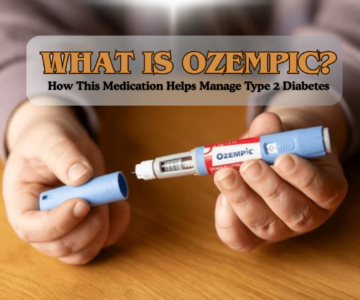
Managing Type 2 diabetes is an ongoing journey that requires a combination of lifestyle changes, careful monitoring, and often the use of medications to keep blood sugar levels within a healthy range. One of the more recent advancements in Type 2 diabetes treatment is Ozempic (semaglutide), a medication that has been highly effective in controlling blood sugar while also offering benefits like weight loss and cardiovascular protection. In this guide, we’ll cover what Ozempic is, how it works, the many ways it can benefit people with Type 2 diabetes, potential side effects, and tips on how to incorporate it effectively into a diabetes management plan.
Ozempic is a prescription medication designed for adults with Type 2 diabetes to help manage their blood sugar levels. It belongs to a class of drugs called GLP-1 receptor agonists (glucagon-like peptide-1), which work by mimicking the action of a hormone in the body known as GLP-1. This hormone plays a role in regulating blood sugar by triggering the pancreas to release insulin in response to high glucose levels. Ozempic also helps reduce glucose levels by slowing down digestion, reducing the amount of glucose released by the liver, and promoting feelings of fullness, which can support weight loss.
Ozempic is administered via a subcutaneous injection (under the skin) once a week. Unlike many diabetes medications that require daily dosing, Ozempic dosage is only needed weekly, making it a convenient option for many. The injection can be administered in the abdomen, thigh, or upper arm, and it is generally simple to self-administer, making it a manageable part of a Type 2 diabetes management plan.
The unique way in which Ozempic works makes it an effective tool for Type 2 diabetes treatment. Here are the primary mechanisms that allow Ozempic to help regulate blood sugar:
There are numerous Ozempic benefits that make it a compelling choice for those managing Type 2 diabetes:
As with any medication, Ozempic side effects may occur. While many patients tolerate Ozempic well, some may experience side effects, especially when first starting the medication or when the dosage is increased:
Ozempic for Type 2 diabetes is a versatile and effective option that goes beyond blood sugar control, offering the added benefits of weight management and cardiovascular protection. As with any medication, it’s essential to consult with a healthcare provider to ensure it’s the right fit for your specific health needs. By using Ozempic as part of a comprehensive diabetes management plan—alongside diet, exercise, and regular monitoring—many patients can enjoy better health, enhanced blood sugar control, and a reduced risk of diabetes-related complications.
For those struggling with Type 2 diabetes, Ozempic could be a game-changer. However, remember that managing diabetes is a lifelong journey. Combining Ozempic benefits with a proactive approach to health and wellness can set you on the path to a healthier, more active life.