September 10, 2025
 The Difference Between a Home Remodel and a Senior-Focused Retrofitby admin / September 10, 2025
Live Better, Live Smart
Constructing a small business is difficult. You should balance product or service quality, customer happiness, inventory, bookkeeping as well as managing competition! Traditional POS systems have high fixed costs, limited hardware selection and little flexibility.
Imagine a system that is as flexible as you want, expands alongside your business growth, gives you current data like the minute or ever and allows you to run your business anywhere! This is how cloud-based POS systems fit in.
A cloud POS is a point-of-sale system that is hosted online. All of your sales, inventory and customer information is held on secure remote servers, not a local machine. You can access your dashboard, reports and tools from a tablet, phone or computer and wherever you are!
No hefty initial investment. Rather than costly terminals, most cloud POS implementations only need barebones hardware (tablet + printer), along with subscription payments.
Add devices, customers or locations with ease. Cloud POS can scale your business without requiring you to replace hardware or on-site servers.
View sales trends while traveling and order inventory levels remotely.
Benefit from pre-installed updates, security updates and new feature releases without requiring in-house IT services.
All providers provide encryption, automatic backup and secure payment gateways. Even when your device dies, your data is still protected in the cloud.
Synchronized with e-commerce sites, accounting, marketing and CRM allow for comprehensive visibility.
Low-stock alerts, auto reordering and wastage tracking. All in real-time to safeguard cash flow.
Capture purchase history, personalize promotions and run loyalty programs to drive repeat of business.
See all locations from one dashboard: compare performance, set corporate controls, monitor staffing and inventory by location.
Take mobile wallets, contactless cards, QR payments, staying on top of consumer trends.
| Feature | Cloud POS | Traditional POS |
| Data storage | Secure distant (cloud) servers | Local/on-premise hardware or server |
| Cost structure | Subscription + lower start-up cost | High initial hardware/software and IT upkeep |
| Scalability | Add locations/devices/feature easily | Upgrades frequently costly & inflexible |
| Access | Through any device at any time | Limited to terminals in store |
| Updates | Automatic & regular | Manual, expensive, late |
| Payment options | Sophisticated, mobile, touchless | Limited to card/cash |
| Maintenance | Provider addresses major issues | Business takes full responsibility |
A point-of-sale system in which your sales and inventory information is held on internet servers, rather than in your store’s equipment.
Cloud POS allows you to access data anywhere, scales quickly and updates automatically. Conventional POS is hardware-driven and typically inflexible and local.
Yes, your data is well protected by encryption, securely paid processing and automatic back-ups, so even if your device is stolen or breaks, your business information is safe.
Absolutely. The majority work with accounting programs, e-commerce websites, CRMs and loyalty schemes.
Yes. Cloud POS pools information from all branches within a single dashboard, making the job easier.
Most take credit/debit cards, contactless cards, mobile wallets and QR payments.
Yes, nearly all providers have offline capabilities. The system will save the transactions on the local hard drive. They’ll just sync to the cloud as soon as internet connectivity is restored.
Pricing always varies by provider, but almost all of them charge a monthly or annual subscription fee. Your total costs almost always end up being lower than traditional POS, because you have eliminated most of the hardware and server costs upfront.
Absolutely. Cloud POS systems are built for scalability and will allow you to oversee selling, staffing and inventory across all your locations through the same dashboard.
No special hardware is required. Most cloud POS systems can work with standard tablets, smart phones, printers and credit card swipers. This helps save money for small businesses.
Updates are automatic and provided by the provider, allowing your providers new features, bug fixes and security upgrades to keep your business running smoothly because there is limited downtime or no charge to you.
Cloud-Based POS Systems aren’t only a new fad, they’re becoming growth drivers. They save money, offer flexibility, provide real time access and support small-business growth. In other words, if you want an adaptive, safe and customer-centric business, then you should convert to a cloud POS system you trust.
Need assistance in choosing the proper cloud-based POS solution for your company? Contact or test a free demo from vendors to experience actual fit before making a purchase.









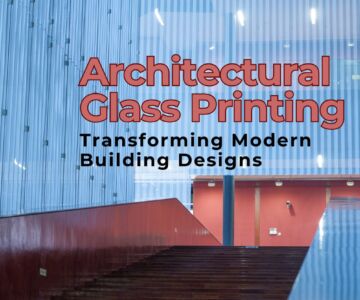
In the world of modern architecture, the use of glass has gone beyond mere functionality. Glass facades and interior elements now stand out as creative canvases, thanks to the innovative process of architectural glass printing. This advanced technique allows architects and designers to transform building exteriors and interiors, blending aesthetics with functionality.
Architectural glass printing is a revolutionary process where digital or screen printing techniques are used to imprint custom designs, patterns, or imagery directly onto glass surfaces. Using specialized ceramic inks that fuse with the glass during the tempering process, this technique ensures durability and longevity. The process can involve direct-to-glass printing or applying laminated films, depending on the desired effect and durability requirements.
The concept of printing on glass has evolved significantly over the decades. Initially, stained glass and etched glass were popular for decorative purposes. However, with advancements in digital printing technology and material sciences, architects can now seamlessly integrate vibrant, long-lasting prints on glass structures. Early techniques involved manual processes, but modern approaches utilize automated systems that enhance precision and scalability.
Recent technological developments have significantly improved the quality and application of architectural glass printing. Some of the cutting-edge techniques include:
Architectural glass printing offers several benefits that make it a preferred choice for modern buildings:
Architectural glass printing is widely used in various contexts:
Despite its numerous benefits, architectural glass printing has challenges that designers and engineers must consider:
As technology advances, architectural glass printing is expected to incorporate smart functionalities, including:
Architectural glass continues to push the boundaries of creative building design. Its ability to combine aesthetics with functionality has made it a key element in modern architecture. As innovations emerge, we can expect even more stunning and sustainable applications in the future. Whether you are an architect, designer, or developer, integrating glass printing into your next project can result in unique, visually striking, and functional structures.
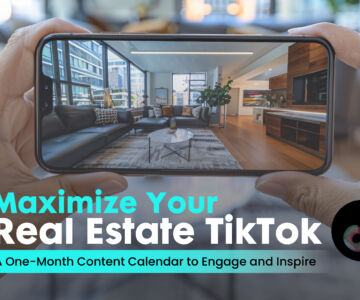
In today’s digital age, TikTok has become a powerful platform for real estate professionals to connect with potential buyers, renters, and industry enthusiasts. With its short-form video format, TikTok allows you to showcase listings, share valuable tips, and engage with your audience in a dynamic way. However, consistent and varied content is key to maintaining interest and growing your following. To help you get started, we’ve created a one-month content calendar tailored specifically for real estate TikTok accounts. This calendar includes a diverse range of content ideas that will not only showcase your listings but also provide valuable insights and entertainment for your audience.
Monday: Listing Tour
Wednesday: Market Update
Thursday: Behind the Scenes
Friday: Fun Fact Friday
Saturday: Client Testimonials
Sunday: Dream Home Feature
Monday: Listing Tour
Tuesday: Real Estate Tips
Wednesday: Market Update
Thursday: Behind the Scenes
Friday: Fun Fact Friday
Saturday: DIY Tips
Sunday: Neighborhood Spotlight
Monday: Listing Tour
Tuesday: Real Estate Tips
Wednesday: Market Update
Thursday: Behind the Scenes
Friday: Fun Fact Friday
Saturday: Renovation Feature
Sunday: Real Estate Tiktok Myths
Monday: Listing Tour
Tuesday: Real Estate Tips
Wednesday: Market Update
Thursday: Behind the Scenes
Friday: Fun Fact Friday
Saturday: Client Success Story
Sunday: Q&A Session
This calendar should give you a good structure to start with, but feel free to adapt it based on your audience’s preferences and engagement.
Conclusion:
With a well-planned content calendar, your Real Estate Tiktok account can become a go-to resource for homebuyers, sellers, and enthusiasts alike. By mixing up listing tours, market updates, fun facts, and client stories, you’ll keep your content fresh and your audience engaged. Remember, the key to success on TikTok is consistency, creativity, and interaction with your viewers. Use this calendar as a starting point, but don’t hesitate to adapt it to suit your unique style and audience preferences. Happy TikToking!