September 10, 2025
 How to Use Live Chat for New Product Launches and Promotionsby admin / September 16, 2025
Live Better, Live Smart
If you’re an apartment dweller, you’re sure to have observed the same issue many residents experience: overfilled trash cans, blended recyclables and that pesky odor of sorted garbage.
Frustrating, isn’t it? As our cities expand and apartments become more crowded, waste management is turning into an actual problem.
This is precisely why smarter waste sorting solutions are no longer a nicety, they’re necessary based on technology with smarter behavior. Apartments can reduce waste, keep neighborhoods clean and help make the planet healthier.
Apartments produce more waste than a single dwelling just because so many individuals are packed in tight proximity. On average, every household produces 2–3 kilos of waste per day and much of it is recyclable.
The problem? When food waste is mixed with trash, it often becomes unrecoverable, resulting in higher waste levels being put in landfills where it produces hazardous gases and pollution.
In short, they are contemporary systems that facilitate waste sorting to be easier, more efficient and less of a hassle. These are some of the things they consist of:
These technologies aren’t science fiction anymore, already implemented in a few smart cities globally.
Here are four key reasons:
Technology has brought a much-needed boost to waste sorting. Here’s how:
During COVID-19, IoT-based systems were a savior, enabling cities to monitor and safely manage heightened household and medical waste.
Sorting isn’t merely done at recycling centers, beginning in our kitchens. When residents sort correctly:
In simple words, if households don’t sort, the entire recycling chain gets affected.
The world is changing to smarter waste management is the new norm.
While there are advantages, there are challenges as well:
Nevertheless, most cities are providing subsidies and incentives to help drive take-up, so it is easier for communities to initiate.
It keeps the recyclables from getting polluted. It can be as simple as several bins or as advanced as AI systems.
AI is used to help identify images, robotically sort and smart bins that recognize different types of waste.
By recycling products we have thrown away, you reduce the amount of waste going to the landfill and reduce your carbon emissions.
Less pollution, less resources wasted and slowing climate change.
It’s environmentally friendly waste disposal by recycling, composting and disposing of waste properly.
India produces 62 million tons of waste annually and clever systems are needed to avoid a monstrous landfill catastrophe.
The future of city living hinges on smarter waste management and apartments are at the center of this revolution. With AI, IoT and easy resident engagement, apartment buildings can become waste issues no more but rather sustainable leaders.
Now the question is: Will your apartment community be a trend-follower or will it set the pace with smarter waste sorting solutions?
Also read our recent article AI Bins and Smart Cities: Connecting Waste Management to the Bigger Picture










Has this happened to you? Been right in the middle of preparing dinner when suddenly you realize that you just don’t have one ingredient?
Perhaps so, where the sauce requires cooking wine, or perhaps so, where one needs eggs for the cake batter, or so, where the recipe requires sake that one has never bought in their lifetime.
The good news is that you won’t have to run to the grocery store or toss your dish. With some kitchen hacks, substitutions for some common cooking ingredients can save your dish – or even make it healthier.
This blog is your helpful kitchen companion, packed with tips, tricks and true-life examples. From “what can I substitute?” decisions right now, looking ahead with a handy ingredient substitutions chart, there’s a simple, helpful answer for you.
Cooking is also about changing what you use to prepare meals. A cook may substitute ingredients in their recipe depending on what is readily available, dietary restrictions and personal preferences; numerous cooks throughout North America, Europe, Asia and Australia routinely exchange and swap their ingredient choices.
Substituting cooking ingredients while cooking helps you to :
Once you have mastered the use of those right substitutes in your recipes, the kitchen will be a successful adventure for you without sticking to a specific recipe or guideline.
We’ll begin with the basics. The next 10 culinary substitutions that are very common and most effective are also the ones that people most frequently use in their everyday cooking.
Such alternatives lay down the basis of wise cooking and baking.
One of the most asked-about kitchen issues is how to replace cooking wine. Whether you are a non-alcoholic person or have simply run out, here are some reliable options for you:
These are alternatives that are at most times unnoticeable in their contributions to acidity and depth, hence not overpowering your dish.
A Japanese or Asian dish recipe that mentions sake does not have to make you panicky. A cooking sake substitute that is just as good is probably already on your shelf.
Best substitutes include:
In a way, sometimes the substitutions are not due to emergencies but rather better decisions. Healthy ingredient swaps are a way to lower the amount of calories, sugar, or fat in the dish while still having great taste.
Try these:
These swaps are trends in health-conscious kitchens all over the world and are very suitable for everyday meals.
Baking can seem really strict, but the order of the ingredients will still be working if you know balance. When you ask, what can I substitute, consider the function—moisture, fat, sweetness, or structure.
For example:
Understanding the “why” behind ingredients makes substitutions safer and more effective.
A simplified ingredient substitutions chart has been prepared which you can bookmark or turn into a quick substitute for common cooking ingredients PDF for your kitchen.
| Missing Ingredient | Simple Substitute |
| Egg | Applesauce |
| Milk | Plant-based milk |
| Butter | Olive oil |
| Sugar | Honey |
| Wine | Broth + acid |
| Sake | Rice vinegar + sugar |
| Cream | Milk + butter |
| Yogurt | Sour cream |
This chart alone can save countless meals.
People worldwide make different substitutions for ingredients. Instead of soy sauce, salt is very common in Asia. In Mediterranean cuisine, oil takes the place of butter and often in Indian cooking the yogurt is used in place of the cream.
The above-mentioned regional adaptations clearly indicate that the flexibility in cooking is a universal phenomenon. Learning substitutions connects you to how people cook across cultures.
Every professional chef has encountered missing items. The difference lies in the ability to make a change. By the use of these rapid replacements for everyday cooking elements, you are not trapped anymore—you are free to make your own choices.
When a surprise comes your way next time a recipe is concerned, you will smile, make it your own and continue cooking.
This is because fantastic food is not just about getting everything right— it is mainly about overcoming challenges, exercising your imagination and having fun while doing so.
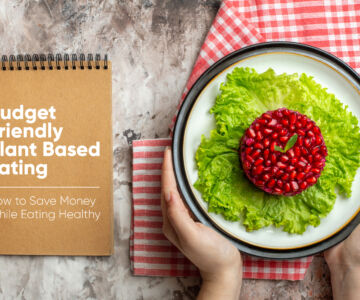
Adopting a plant-based diet offers a range of health benefits and is an environmentally friendly choice. However, many believe that plant-based eating is expensive. This blog aims to dispel that myth by providing practical, budget-friendly strategies to help you maintain a healthy plant-based diet without overspending.
Why It Matters: Meal planning helps prevent impulse buying and reduces food waste. According to a study by the American Journal of Preventive Medicine, meal planning is associated with healthier eating habits and lower grocery costs.
Stats:
Example: Create a weekly meal plan that includes versatile ingredients. For instance, using beans in various recipes (e.g., chili, salads, and soups) ensures you make the most out of bulk purchases.
Recipe: Lentil Soup
Ingredients:
Instructions:
Why It Matters: Purchasing items in bulk can significantly lower the cost per serving. The Bulk Pantry Report reveals that buying in bulk can reduce food costs by up to 25%.
Stats:
Example: Consider buying large quantities of dried beans or lentils. For instance, a 25-pound bag of dried beans can cost as little as $20, whereas pre-packaged beans cost around $1.50 per can.
Recipe: Chickpea Salad
Ingredients:
Instructions:
Why It Matters: Seasonal produce is fresher and often cheaper due to high availability. The USDA’s Seasonal Produce Guide suggests that buying in-season fruits and vegetables can cut grocery costs by up to 40%.
Stats:
Example: In the summer, purchase tomatoes, cucumbers, and berries. In the winter, opt for root vegetables like carrots and potatoes. This practice not only saves money but also supports local farmers.
Recipe: Roasted Seasonal Vegetables
Ingredients:
Instructions:
Why It Matters: Cooking at home allows for better control over ingredients and portions, and it’s more cost-effective than dining out. The National Restaurant Association reports that eating out is 4-5 times more expensive than preparing meals at home Plant-Based.
Stats:
Example: Prepare dishes like a large batch of vegetable stew or stir-fry. These meals are not only affordable but also allow for multiple servings, reducing the per-meal cost.
Recipe: Simple Vegetable Stir-Fry
Ingredients:
Instructions:
Why It Matters: Plant-based proteins are generally less expensive than animal proteins and are rich in essential nutrients. A study from the Academy of Nutrition and Dietetics found that plant-based proteins can be up to 50% cheaper than meat Plant-Based.
Stats:
Example: Incorporate lentils into soups or stews. A pound of lentils costs around $1.50 and can provide multiple meals, making it an economical and nutritious choice.
Recipe: Black Bean Chili
Ingredients:
Instructions:
Why It Matters: Reducing food waste can save money and lessen your environmental impact. The Environmental Protection Agency (EPA) estimates that food waste costs the average household $1,500 annually plant-based.
Stats:
Example: Repurpose vegetable scraps into homemade vegetable broth or use leftover grains in salads. Composting scraps also benefits your garden, further reducing costs.
Recipe: Vegetable Broth from Scraps
Ingredients:
Instructions:
Why It Matters: Making your own snacks and staples can be significantly cheaper than buying pre-packaged items. The Center for Science in the Public Interest reports that homemade snacks can be up to 60% cheaper than store-bought alternatives.
Stats:
Example: Try making your own hummus or energy balls using simple ingredients like chickpeas and oats plant-based. These homemade options are not only more affordable but also free from added sugars and preservatives.
Recipe: Homemade Energy Balls
Ingredients:
Instructions:
Why It Matters: Growing your own herbs and vegetables can reduce grocery expenses and improve food quality. A study from the National Gardening Association shows that home gardeners save an average of $600 annually on groceries.
Stats:
Example: Start a small herb garden with basil, parsley, and cilantro plant-based. These herbs can enhance your meals and save you money compared to buying fresh herbs from the store.
Recipe: Herb-Infused Quinoa
Ingredients:
Instructions:
Adopting a plant-based diet doesn’t need to be a financial burden. By planning your meals, buying in bulk, embracing seasonal produce, cooking at home, and using plant-based proteins wisely, you can enjoy nutritious meals on a budget. Minimize food waste, make your own snacks and staples, and consider growing your own herbs and vegetables to further reduce costs.