September 10, 2025
 The World’s Most Unusual Festivalsby admin / March 20, 2026
Live Better, Live Smart
Ever feel like your paycheck disappears by the 15th? One minute you’ve got groceries, school fees and an unexpected doctor bill and the next thing you know, there’s no fun money left. Monthly budgets for families solve this. They line up with how you actually get paid and spend, turning money stress into “We’ve got this covered.” Families without a budget overspend by 20 to 30 percent. With a good plan, you end up saving 15 to 20 percent more every year. Let me walk you through steps that really work for busy households.
Most bills hit once a month. So do paychecks for a lot of people. Monthly budgets for families match that rhythm perfectly. No more scraping by until payday. Parents show kids how to handle money smartly. Families who budget reach big goals like a house down payment way faster. Everyone feels calmer knowing there’s a plan for surprises.
The best part is seeing it all on one page. Kids start to understand why they can’t buy every toy they see when they spot “park outing” right next to “school books.”
Stop guessing. Write down every single expense for 30 days. That morning chai, extra tiffin money for the kids, impulse buy at the store. Apps like Walnut or Money Manager track it all for you. You’ll probably discover 10 to 15 percent of spending you never even noticed.
Break it down like this:
For an urban family of four earning ₹80K to ₹1.2 lakh, think ₹12K on groceries, ₹25K housing, ₹8K school and ₹6K transport. Track your own numbers to spot where you’re different.
You don’t need fancy spreadsheets. Just split your money three ways:
Got high city rent? Needs might eat 60 percent. Cut wants to 25 percent then. In smaller towns, you spend more on food but less on housing.
Make every rupee work. If you earn ₹1 lakh, plan to spend and save exactly ₹1 lakh. Nothing sits around waiting to get wasted. The old envelope system still works great. Put cash in envelopes marked “groceries ₹12K,” “kids ₹5K,” “fun ₹3K.” Empty? You’re done spending there.
Digital upgrade: Grab a Google Sheet. One page compares what you planned against what you spent. Green means under budget, red means over. Kids get excited watching the colors change. ET Money and Walnut have free templates that fill in categories for you.
Realistic split for ₹1 lakh income:
Also check: Grocery Shopping Tricks to Save Big on Essentials
Set it up once with your bank and forget it:
Apps that save time:
Sunday evenings work best. Just 15 minutes over chai. Everyone comes, kids included. Look at last month, plan the next one. Let the youngest read numbers out loud. Have the teen share what went well. Order pizza if you stayed under budget.
Ask these every time:
Walnut stands out for families. Everyone syncs their spending, it turns saving into a game, and shows progress toward shared goals.
Sunday meal prep trick: Cook big batches of dal, chicken curry and parathas. Freeze portions. Kids eat better and you save ₹3,000 a month.
Families who stick with budgeting buy their first house faster. Kids pick up good money habits. Those lessons last a lifetime.
Switch to weekly budgets. Divide your monthly goals by four. Adjust as money comes in.
Use visual jars labeled “Bike Fund” or “Family Trip.” They love watching the money grow.
Totally normal. Just track everything without judging yourself. The second month gets easier.
Set needs at 75 percent, wants at 15 percent and savings at 10 percent. Focus on essentials first.
Start setting aside money for gifts three months early. Pause all want’s categories until it’s over.
Pull out a notebook. Jot down last week’s spending. List your fixed costs. Put savings at the top. Talk it over with your partner. Let the kids draw pictures on the jars.Your first victory: Move 10 percent of your income to savings first thing tomorrow morning. Congratulations. You’re now a family that plans ahead.










Ever scrolled Instagram and thought that could be you? Thousands turn likes into livings every year as content creators. Follow these steps to become an influencer. You will stand out in 2026 crowded feeds with smart plays on platforms like Instagram, Youtube and TikTok etc.
This guide covers how to find content ideas. It dives into social media skills for content creators. Expert tips to build a personal brand and become an influencer. You will also see benefits to posting content on social media. Real talk keeps it fresh. Platform hacks for Instagram, Threads, YouTube and TikTok round it out.
This builds a personal brand fast.
These skills turn followers into fans.
Tailor your game per app. These hacks boost reach across Instagram, Threads, YouTube and TikTok.
Instagram rewards Reels over static posts in 2026.
Threads shine for real talk.
Shorts drive discovery now
Trends rule.
Master these to become an influencer quickly.
Your brand grows multidimensional.
| Benefit | Real Win |
| Visibility | Organic reach beats paid ads |
| Income | Affiliates pay per click |
| Network | Brands DM first |
| Feedback | Comments guide next hits |
Start small today. Pick one step. Post that first Reel. You will become an influencer with grit and these plays. Your personal brand waits.
Six months of daily posts nets 10K followers for most. Consistency speeds it.
Three quality posts weekly crush daily fluff. Quality over quantity.
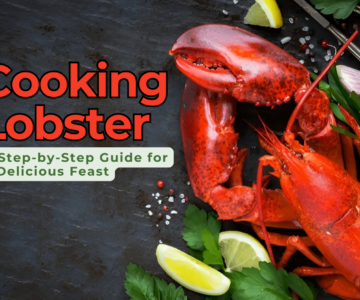
Cooking lobster at home might seem intimidating, but with the right steps, you can prepare a restaurant-quality meal in your own kitchen. Whether you’re a seafood aficionado or a first-timer, this guide will walk you through everything you need to know about cooking lobster to perfection.
Before you start cooking, selecting the best lobster is crucial:
Having the right tools makes the process easier and more enjoyable. Here’s what you’ll need:
There are several ways to cook lobster, each offering unique flavors and textures. Below are detailed instructions for boiling, steaming, grilling, and more.
Boiling is one of the simplest and most reliable methods, ideal for cooking multiple lobsters at once.
Steaming retains the lobster’s natural sweetness and results in a slightly firmer texture than boiling.
Grilling adds a smoky flavor that complements the natural sweetness of lobster meat. This method is perfect for summer barbecues.
Baking is an elegant method, often used for stuffed lobster dishes.
Poaching in butter, also known as “butter poaching,” is a luxurious method that yields tender, flavorful meat.
Cooking lobster at home is easier than you think. Whether you prefer boiling, steaming, grilling, baking, or poaching, these methods ensure a delicious meal that’s perfect for special occasions or a treat-yourself night. Pair it with your favorite sides, a glass of wine, and enjoy an unforgettable dining experience. Happy cooking!
Store cooked lobster in an airtight container in the refrigerator for up to 3 days. Reheat gently to avoid drying out the meat.
Yes, but thaw it in the refrigerator overnight before cooking for the best results.
Enjoy it fresh, dipped in butter, and paired with your favorite sides.