September 10, 2025
 Weird Facts That Sound Fake but Are Trueby admin / March 18, 2026
Live Better, Live Smart
Imagine this, you open the fridge and there’s that carton of milk past its date, a bag of spinach which has become slime and some bread which has turned into a science experiment instead of food. Everybody experiences this situation. The average family discards food which has a value of approximately $1,500 during each year. That’s actual cash which disappears without return.
Grocery planning changes all that. You determine your required items before shopping which enables you to make wise purchases that result in actual product usage. Your waste decreases while your happiness about spending money increases and your evening meal anxiety vanishes.
Your typical shopping trip requires you to make one shopping list which you should follow to pick up necessary items from the store. You spend your time moving through the store without any plan while you select items that catch your attention. The food ends up in the refrigerator where it remains until it spoils.
Research shows that families throw away between 20 and 30 percent of their purchased food items. People who plan to cut that number way down, often to almost nothing. They spend less too, about 25 percent less on average.
Planning makes you cook more at home instead of ordering takeout. You eat better because you’re working with fresh ingredients. Your kitchen feels less chaotic. The food waste in landfills creates methane, a nasty greenhouse gas. Planning helps the planet a bit too. The best part is it only takes 20 minutes once a week. Sunday evening works great.
Do not head to the store until you check your kitchen. Open the fridge, freezer and pantry. Grab a notebook or your phone and list everything.
Take a quick photo of the shelves. It helps you remember later. Apps like Mealime or AnyList can scan that photo and suggest meals based on what you have. This stops you from buying duplicates. No more two jars of pasta sauce because you forgot about the first one.
Now nobody asks, “What is for dinner?”
You spend less time in the store too.
Unpacking takes two minutes.
Bad storage ruins good planning.
Also Check: Grocery Shopping Tricks to Save Big on Essentials
Apps cut the work to 15 minutes a week.
Start with one. The free versions do plenty.
Between $50 and $150 a month from less waste and good deals.
Mealime. It turns recipes into lists fast.
Yes. Freeze smaller amounts if alone. Buy extra rice for groups.
Cook extra meat upfront. Keep rice or potatoes ready.
Eat before shopping. Make a 24-hour list for “maybe” items.
Grocery planning builds on itself. The first week feels new. By week four, you do it without thinking. Your fridge looks good, you spend less and cooking feels easy. Check your kitchen right now. Plan tonight’s meal. It takes 15 minutes and pays off forever.










The university student club functions as a magical experience which students can maintain throughout their academic journey. The active student organizations create daily college experiences which lead students to develop new skills and friendships that continue throughout their lives.
A student club exists to match your interests whether you prefer to compete in debates or participate in coding competitions or take part in environmental cleanup activities. The student organizations maintain their vital role which helps people build relationships between two sides of their personality as hybrid learning continues to shape their university experience.
A first-year student who feels lost in lecture halls discovers their ideal group when they join a photography club which takes pictures at campus festivals. University students share their personal stories through social media platforms and TikTok which have become popular. Student organizations have become essential to university operations because they provide vital support to students. The networks which students build through these programs help them overcome isolation.
Are you ready to start the exploration process? The following section will present the material in a simplified manner.
A student club in university is a group of like-minded students who band together around shared interests, causes, or goals. Think of it as your personal squad that operates outside classes but ties right into campus life. Universities fund and support them through student affairs offices. They provide spaces, budgets and even swag like banners.
These are not random hangouts. They follow rules: a constitution, elected leaders, regular meetings and events open to all. The country showcases its diversity through its cultural dance troupes which perform during festivals and its tech hackathons which collaborate with startup companies.
More than 50 clubs operate in each of the two Indian Institutes of Technology and National Institutes of Technology which exist throughout India. The teams compete on a worldwide stage by merging their traditional protocols with their modern technological advancements.
The National Association of Student Personnel Administrators revealed how student organizations transformed since the COVID-19 pandemic through its 2025 research. The organization now operates virtual chapters which combine physical meetings with Zoom-based brainstorming sessions. This makes them accessible for commuter students or those balancing part-time jobs. No wonder enrollment in clubs jumped 25 percent at U.S. colleges last year.
Universities overflow with student club options.
They sharpen skills and open internship doors.
Pro tip: Check your university portal for listings. At places like Anna University in Tamil Nadu, clubs like Enactus blend entrepreneurship with social impact. They win national awards.
Student clubs supercharge your university experience. First, they forge unbreakable bonds. Shared projects like organizing a charity run create memories and a support net for tough semesters.
Leadership shines here:
Employers love it. 78 percent of recruiters prioritize extracurriculars, per 2025 LinkedIn reports.
Skills gained include:
These transfer straight to jobs.
Academically, college clubs motivate:
Health perks abound:
One alumni shared on Reddit: “My debate club landed me a TEDx talk and consulting gig.” Pure gold.
Student communities prove vital in today’s fast world. With remote classes lingering, they rebuild that “campus buzz” 60 percent of students miss, per 2026 Educause surveys. They foster inclusion. This is vital as universities push DEI goals.
Innovation thrives. Clubs like solar car teams at Stanford or drone racing at IIT Madras push boundaries. They often birth startups. Mental health focus grows. Wellness clubs offer peer counseling amid rising burnout.
Globally, they adapt. Hybrid events via Discord or Instagram Live draw crowds. Sustainability clubs lead zero-waste drives.
Bottom line: Skip them and you miss half the university magic.
Dreaming of launching your own club? It is easier than finals week.
Real talk: Hurdles like low turnout? Pivot with fun themes. Anna University startups club grew from 10 to 200 members via hackathons. Track progress yearly for funding.
Clubs evolve fast.
Sustainability rules:
A student club in university is a student-led group focused on specific interests, from academics to hobbies. The university supports it for events and funding.
Yes. They build skills, friends and resumes while cutting stress. Many grads credit clubs for first jobs.
Yes. Most now offer hybrid options with virtual meets via Zoom or Discord for full inclusion.
Dive into a student club today. Watch your uni years transform. What is your first move: join one or start your own? Share in the comments!
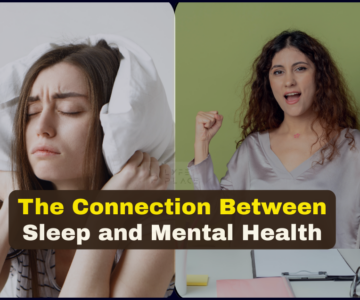
Scientists have discovered that deep sleep functions as a fundamental element needed for maintaining mental health, although many people consider it to be a luxury. People who suffer from sleep disorders experience dual effects because their condition creates anxiety, depression and stress but their mental health problems create sleep disturbances.
In this article, you’ll learn:
Sleep is not just “downtime.” The brain uses this time for emotional processing, memory consolidation and stress system restoration. Sleep deprivation prevents your body from processing emotions and consolidating memories which leads to irritability, low mood, anxiety and concentration difficulties.
Studies conducted on a large scale demonstrate that:
People with insomnia face a tenfold increase in depression risks while their anxiety disorder development risk goes up seventeen times compared to those who maintain healthy sleep patterns.
People who sleep better experience moderate improvements in their ability to handle depression, anxiety, stress and repetitive negative thinking patterns known as rumination.
The evidence demonstrates that sleep functions as a fundamental element which determines mental health status instead of being an unrelated factor that accompanies mental health issues.
Your emotional responses become more intense after one night of inadequate sleep. Brain imaging research demonstrates that sleep deprivation boosts amygdala activity because this brain region acts as the body’s fear and emotion control center while it disrupts brain connections that manage emotional responses.
This means:
You will experience stronger emotional responses to minor stressors which will lead to feelings of anger, frustration and overwhelming emotional states.
Positive events feel less rewarding, while negative events feel more intense.
Sleep establishes a two-way connection with mental health according to scientific research.
That means:
The study of sleep patterns shows their effect on mental health because scientists learn about brain functions through sleep research.
The rapid eye movement (REM) sleep stage establishes the main pathway through which people process their emotional experiences.
During REM sleep, the brain uses electrical activity to rebuild emotional memories which become less intense through the memory organization process.
The brain needs REM sleep because its absence will make negative feelings more powerful and last longer which creates higher chances of anxiety and depression.
The body uses sleep as a mechanism to control cortisol levels together with other hormones that manage stress.
The body maintains elevated cortisol levels during poor sleep which causes the person to experience constant tension and a feeling of being wired.
The condition develops into persistent stress which leads to burnout and mood disorders that continue through time.
Your brain eliminates metabolic waste during deep sleep while it builds essential neural pathways.
The disruption of deep sleep will result in learning impairments and memory deficits together with decreased emotional resilience.
The condition makes it difficult for you to manage daily activities because it impacts your capacity to deal with stress and recover from emotional setbacks.
The “right” amount of sleep varies slightly by age but most adults need 7-9 hours per night for optimal mental and physical health.
Recent data show a U‑shaped relationship between sleep duration and mental health:
The most effective protective method to prevent mental health disorders begins with sleep improvement. Here are evidence‑based steps you can take:
Doctors should evaluate patients who experience
The combination of CBT-I treatment, medication and CPAP therapy for sleep apnea leads to major enhancements in sleep quality and mental well-being.
Sleep functions as a preventive measure which protects mental health. Public health experts now regard insufficient sleep as a risk factor which people can modify to prevent mental health problems. Improved sleep quality provides more than just better sleep because it enables people to maintain positive moods while decreasing their anxiety and developing their emotional strength.
Also read: Journaling Techniques for Mental Clarity
The scientific evidence supporting the connection between sleep and mental health represents one of the strongest established facts in contemporary psychology and neuroscience. Insufficient sleep not only causes fatigue but also triggers anxiety and depression which creates difficulties for people to manage everyday challenges. To achieve emotional balance they should start their process with sleep because it represents the most effective method to begin their journey.