September 10, 2025
 Top Mistakes to Avoid When Applying for Instant Loans Onlineby admin / January 30, 2026
Live Better, Live Smart
Choosing a right college major is one of the biggest decisions you’ll make, but it doesn’t have to be stressful. The extended guide provides students and their parents with detailed instructions which use new 2026 research data, authentic case studies and checklists to help them make their decisions. The optimal method to select your future career path requires you to concentrate on three areas which include your personal interests, abilities, current job market trends and your personal lifestyle requirements, which will enable you to choose a career path that brings you joy and financial security.
The process begins with its most basic element: What lights you up? Take a sheet of paper or your notes application from your phone. Your task is to create a list that contains three to five school subjects or hobbies or activities which make you lose your sense of time. Rate your excitement for each item on a scale from 1 to 10.
Examples by Interest:
Math/Science lovers: Engineering, Computer Science, Data Science (high pay, problem-solving daily).
People skills: Business, Psychology, Nursing (teamwork, helping others)
Creative types: Graphic Design, Marketing, Film (projects over lectures)
Hands-on: Architecture, Nursing, Automotive Tech (build or fix real things)
Quick Self-Assessment (Fill Now):
| What? | Excitement (1-10) | Why? |
| Subject 1 | ||
| Hobby 1 | ||
| Dream Job |
Your top scores reveal natural fits.
Studies show interest predicts 40% of college success, way more than parental push. Weak in math? Skip engineering; try business analytics instead.
Dreams need numbers. Head to BLS.gov, LinkedIn Salaries, or Glassdoor for 2026 projections. Prioritize majors with 5%+ growth and $60K+ starting pay to beat average debt payback (under 5 years).
| Major | Job Growth (2026-30) | Starting Salary | Unemployment Rate | Why Choose It |
| Computer Science | 23% | $95K | 2.5% | AI, apps, remote work |
| Nursing | 6-15% | $75K | 1.4% | Always needed, shift flexibility |
| Data Science/Analytics | 36% | $90K | 2% | Every industry wants data |
| Engineering (all types) | 7% | $70K | 2.8% | Builds stuff, global jobs |
| Business Administration | 8% | $60K | 3.5% | Flexible: sales, HR, startups |
| Cybersecurity | 32% | $85K | 2.2% | Hackers everywhere |
| Healthcare Admin | 28% | $65K | 2.5% | Manage hospitals remotely |
Parent Note: Engineering/CS grads earn $3M+ lifetime vs. $1.5M for arts/education. But business offers quicker entry. Skip oversaturated fields like general liberal arts unless adding tech certs.
India/global bonus: IT/Engineering booms with remote US/EU jobs.
Don’t commit blind, sample it free:
Real Talk Examples:
35% switch majors costing $10K+ time. Testing drops that to 10%. Love it after trial? Lock in.
Majors shape life, score these yes/no for each option:
Avoid these, backed by student regret surveys:
Traps Checklist:
Rank your top 3 majors. 10 points max per row; pick highest total (30+ = strong go).
| Criteria | Major 1 Score | Major 2 Score | Major 3 Score |
| Interest/Excitement (1-10) | |||
| Job Growth (Yes=10, No=0) | |||
| Starting Pay Meets Needs (Yes=10) | |||
| Tested/Tried It (Yes=10) | |||
| Lifestyle Fit (Yes=10) | |||
| Total |
Winner Rules:
For Parents:
For Students:
Your degree opens the door, but skills get you hired.
STEM pays most, but versatile picks like business land 90% employed at graduation.
These are small actions with big impact:
Big Takeaway
Smart choices beat perfect. 2026 job market favors adaptable grads, pick, act, adjust.
Students: Own it.
Parents: Guide, don’t dictate. Future success starts here.









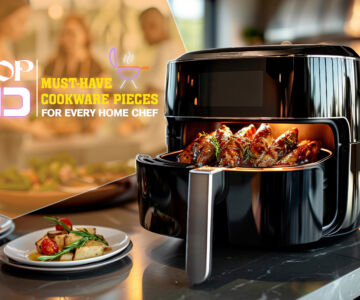
Whether you’re a seasoned home chef or just starting your culinary journey, having the right cookware is essential. The right tools can make cooking more enjoyable, and efficient, and produce better results. Here’s a list of the top 10 must-have cookware pieces that every home chef should consider adding to their kitchen.
A cast iron skillet is incredibly versatile and can be used on the stovetop, in the oven, or even over a campfire. It’s ideal for tasks that require high heat, such as searing steaks, frying chicken, or baking cornbread.
Material & Design:
Made from heavy cast iron, these skillets are known for their excellent heat retention and even cookware. They come in various sizes, typically ranging from 8 to 12 inches in diameter.
Care Tips:
To maintain its non-stick surface, season the skillet regularly by coating it with a thin layer of oil and baking it in the oven. Avoid using soap when cleaning; instead, scrub it with coarse salt and rinse with hot water. Always dry it thoroughly to prevent rust.
A stainless steel saucepan is a kitchen staple, perfect for tasks like boiling, simmering, and making sauces. Its design allows for even heat distribution, which is crucial for delicate sauces and soups.
Material & Design:
Look for a saucepan made from high-quality stainless steel with an aluminum or copper core, which enhances heat conductivity. A well-fitted lid is essential to trap moisture and heat.
Care Tips:
Stainless steel is durable and easy to clean, often being dishwasher safe. For stubborn stains or food residues, a mixture of vinegar and water or a specialized stainless steel cleaner works well.
A Dutch oven is perfect for slow cookware, braising, roasting, and even baking. It’s excellent for dishes that require long, slow cooking times, like stews, casseroles, and pulled pork, as it evenly distributes and retains heat.
Material & Design:
Dutch ovens are typically made from cast iron and coated with enamel. The enamel coating prevents rust and makes the pot easier to clean. They come in various sizes, usually between 5 and 7 quarts.
Care Tips:
Enamel-coated Dutch ovens are dishwasher safe, but hand washing is recommended to preserve the finish. Avoid using metal utensils to prevent scratching the enamel.
A non-stick frying pan is essential for cooking foods that are prone to sticking, like eggs, pancakes, and fish. It allows for cooking with less oil, making it a healthier option for everyday use.
Material & Design:
These pans are typically made from aluminum or stainless steel with a non-stick coating, such as Teflon or ceramic. Sizes range from 8 to 12 inches, with the larger sizes being more versatile.
Care Tips:
To prolong the life of the non-stick coating, avoid using metal utensils and high heat. Hand wash with mild detergent and avoid abrasive sponges. Replace the pan when the coating starts to wear off to prevent ingestion of non-stick particles.
A stockpot is crucial for making large batches of soup, stew, or stock. It’s also perfect for boiling pasta, blanching vegetables, or cooking seafood like lobster and crab.
Material & Design:
A good stockpot is made from stainless steel with an aluminum or copper core for even heating. Sizes typically range from 8 to 16 quarts, depending on your needs.
Care Tips:
Stainless steel stockpots are durable and can be cleaned with a simple soak and scrub. For discoloration, use a stainless steel cleaner or a paste made from baking soda and water.
A sauté pan is designed for cookware tasks that require frequent stirring, tossing, or turning. It’s great for sautéing vegetables, browning meat, or reducing sauces.
Material & Design:
Sauté pans have straight, high sides and a wide, flat bottom, offering more surface area than a frying pan. They are usually made of stainless steel with an aluminum or copper core, and often come with a lid.
Care Tips:
Treat your sauté pan like other stainless steel cookware. Avoid overheating it when empty, and use gentle cleaning products to keep it in good condition.
A baking sheet, or sheet pan, is a versatile tool used for baking cookware, roasting vegetables, toasting nuts, and even preparing one-pan meals. Its flat surface allows for even heat distribution, making it a kitchen workhorse.
Material & Design:
Baking sheets are usually made from aluminum, which resists warping and promotes even browning. Rimmed edges are essential for containing liquids and preventing spills.
Care Tips:
Hand wash to prevent the coating from deteriorating. To remove baked-on food, soak the sheet in hot water and use a non-abrasive scrubber. Line with parchment paper or a silicone baking mat to make cleanup easier.
A roasting pan is designed for roasting meats and vegetables. Its large size and built-in rack allow for even cooking and browning, with the rack elevating the meat to allow drippings to collect for gravy.
Material & Design:
Typically made from stainless steel or heavy-duty aluminum, roasting pans are built to withstand high temperatures. The best ones have sturdy handles for easy maneuvering, even when filled with a heavy roast.
Care Tips:
Clean a roasting pan soon after use to prevent food from sticking. For tough spots, use a mixture of baking soda and water, or let the pan soak in hot water with dish soap.
A wok is essential for stir-frying due to its unique shape, which allows for high-heat cooking with minimal oil. It’s also versatile enough for steaming, deep-frying, and even smoking.
Material & Design:
Traditional woks are made from carbon steel, which heats quickly and evenly. They come with a round or flat bottom, with round bottoms being more traditional but requiring a wok ring for stability on flat stovetops.
Care Tips:
Carbon steel woks require seasoning to develop a non-stick surface. After use, clean with hot water and a soft brush—avoid soap. Dry thoroughly and apply a thin layer of oil to prevent rust.
Mixing bowls are used for combining ingredients, marinating meats, mixing doughs, and even serving. They are indispensable for any cooking task that requires preparation before cooking.
Material & Design:
Mixing bowls come in a variety of materials, including stainless steel, glass, and ceramic. Stainless steel is durable and lightweight, while glass allows you to see your ingredients and can go in the microwave. Ceramic bowls are heavy and can double as serving dishes.
Care Tips:
Most mixing bowls are dishwasher safe, but hand washing can extend their life, especially for ceramic or glass bowls. For stainless steel bowls, avoid using harsh abrasives to keep them looking shiny.
These 10 cookware pieces form the foundation of a well-equipped kitchen. Investing in quality versions of each will pay off in the long run, making your cooking more efficient, enjoyable, and successful. With the right tools at your disposal, you’ll be prepared to tackle any recipe that comes your way!
FAQs
What size cast iron skillet should I buy?
An 8 to 12-inch cast iron skillet is ideal for most home cooking tasks.
Can I use a stainless cookware steel saucepan on an induction cooktop?
Yes, cookware stainless steel saucepans with a magnetic base work on induction cooktops.
How do I prevent my Dutch oven from sticking?
Ensure proper seasoning or use enough oil or liquid when cooking in a Dutch oven.
What’s the best way to clean a non-stick frying pan?
Hand wash with mild detergent and avoid abrasive sponges to protect the coating.
How big should my stockpot be?
An 8 to 12-quart stockpot is versatile for most cooking needs, from soups to pasta.
What is the difference between a sauté pan and a frying pan?
A sauté pan has higher sides, making it better for cooking with liquids.
Can I put a baking sheet in the dishwasher?
While many baking sheets are dishwasher safe, hand washing is recommended to prevent warping.
Do I need a cookware roasting pan with a rack?
Yes, a rack allows air to circulate and helps the meat cookware evenly with a crisp exterior.
What’s the best material for a wok?
Carbon steel is preferred for its quick heating and natural non-stick properties after seasoning.
Are glass mixing bowls microwave-safe?
Yes, most glass mixing bowls are microwave-safe, but check the manufacturer’s instructions.

Many people struggle to ask for what they want, even when they know exactly what they need. This guide explains the reasons behind your fear and the methods to express your thoughts clearly and the techniques to assert your position without sounding disrespectful or hostile.
People generally experience fear because they deal with three common problems. Your fear develops because you believe that the other person will reject you, consider you less valuable and become angry with you. You may also worry that asking will cause conflict or damage the relationship. At times you believe that your request exceeds your entitlement or that your needs do not matter.
The primary reason exists because your brain perceives the risk as greater than the actual danger. You believe the worst possible outcome will occur when you request a raise, because you think it will result in your termination from the job. The truth is that asking is not selfish. Asking exists as a method to show respect for oneself and for personal needs. A no response simply stands as a no because it does not define your character.
The process of clear communication begins when you determine your specific communication goals. Ask yourself:
You should transform your knowledge into a brief straightforward statement.
You can express your request through the statement like “ I want you to review my draft by Thursday which will enable me to submit my work on Friday”. The information presents details which anybody can comprehend without difficulty. Use simple words and short sentences. Your request should not be concealed through lengthy explanations which include unnecessary apologies.
Practice saying your request out loud. You can present it to a mirror or create an audio recording of your speech. This practice enables you to speak with calmness and assurance during actual conversations.
Begin your process by requesting assistance with small tasks. Start by requesting simple tasks which include rescheduling meetings and seeking task details. Your confidence will develop step by step throughout this process.
The practice of speaking with confidence requires people to demonstrate their abilities through common behavior maintenance. People show their confidence through their choice of words and their treatment of other people. Use “I” statements instead of blaming the other person.
You can say
“I feel unheard when I am interrupted” which shows your feeling of being unheard when people interrupt you. I need to finish my explanation because I need to complete my point. Maintain a calm steady voice. Your voice volume should remain normal while you speak at a regular pace.
You can show respect for others by demonstrating that you understand their time constraints and personal circumstances. You could say, “I appreciate your consideration, especially given your busy schedule.”
End your conversation with a question which encourages people to share their opinions. The statement makes the conversation function as mutual dialogue instead of serving as a one-sided demand.
The two communication styles of assertiveness and aggression both transmit messages to their audience members yet they use different methods to deliver their respective content.
Through assertive communication, you express your needs while showing respect towards the other individual. Your body remains calm as you speak “I” statements and maintain an open body position. The two of you should work together until you reach a shared solution that satisfies both parties.
Through aggressive communication, the speaker tries to win or control the situation. The speaker blames others through his words which he delivers with harsh or sarcastic tones and tense body language. The goal of the speaker is to force the other person to withdraw their position, which will result in relationship harm.
The following example demonstrates the situation,
The first version presents information in a way that maintains respect between parties. The second version delivers a message that includes severe criticism and blame.
Learning to ask for what you want constitutes a skill that you can develop through practice instead of an innate trait that you either possess or lack. The process of understanding your fear enables you to speak clearly while showing respect to others, which results in people being able to understand your viewpoints. The process of requesting assistance from others generates new confidence for you, which continues to build up after each successful request and each unsuccessful request.
Your practice sessions will lead you to a stage where you can easily protect your rights while you speak in a calm and understandable manner.