September 10, 2025
 Perplexity AI: What It Is, How to Use It (Free & Pro Features, Pricing)by admin / February 7, 2026
Live Better, Live Smart
The current workplace changes brought by artificial intelligence bring both excitement and an unavoidable transformation according to these workplace alterations which show that intelligent machines will do standard tasks while humans will dedicate their efforts to creative work, strategic development and interpersonal relationships during the next decade.
Your AI assistant already completed its task of sorting through your emails while identifying essential items and creating a brief overview of customer feedback which arrived overnight. You spend your first minutes creating and developing your ideas instead of wasting time on unimportant tasks. The system uses scheduling and reporting functions to decrease repetitive tasks by 30 to 40 percent. The team achieves better results with reduced effort because meetings provide immediate translations and intelligent summaries which help all participants stay on track.
Management structures simplify as AI takes on tracking metrics and routine check-ins. In boardrooms, hybrid groups of people and digital agents review options quickly: “This plan grows revenue but adds stress; here is a balanced alternative.” Overall, jobs change more than they disappear, with millions of new opportunities in strategy and oversight balancing shifts elsewhere.
Change brings risks like biased outputs or privacy worries. Some fear job loss, but success comes from training programs that teach everyone to work with AI. Companies that set clear rules, test thoroughly and prioritize fairness navigate this best, turning concerns into strengths.
| Field | Main Changes | Growing Roles |
| Manufacturing | Early warnings for equipment | Workflow designers |
| Finance | Faster audits and fraud checks | Risk and ethics specialists |
| Healthcare | Quicker insights from patient data | Patient experience leads |
| Retail | Smarter stock and service | Customer insight planners |
| Marketing | Data-backed ideas for campaigns | Strategy and creative directors |
Fields like education and renewables benefit most from this blend of tech and human insight.
Basic tasks fade, but skills like understanding AI basics, thinking ethically and adjusting quickly rise in value. Most technology jobs now need training in guiding these tools effectively. Lifelong learning through short courses and practice becomes standard, helping everyone stay relevant.
Begin with one team or process to test AI, track clear results like time saved and expand from there. Create systems that connect securely and encourage open use. Build a mindset where trying new ideas leads to improvement, even if some do not work at first.
AI workplace transformation promises more fulfilling workdays, shorter hours for focused tasks and growth without exhaustion. It highlights our unique strengths: innovation, empathy and forward thinking.
AI manages daily chores so people handle higher-level work, often increasing output significantly.
Numbers show more jobs created than lost, with many adapting to include AI collaboration.
Manufacturing plants have significantly reduced downtime, while HR teams have accelerated hiring processes—demonstrating measurable gains from AI adoption.
A strong understanding of AI basics, good judgment in decision-making and the ability to adapt to evolving roles.
Everyday use grows fast this year, full integration over the decade.
AI workplace transformation opens a more efficient, human-centered future for work. Teams and leaders who learn alongside it, address risks openly and experiment boldly will lead the way.
How will you make this part of your workday?









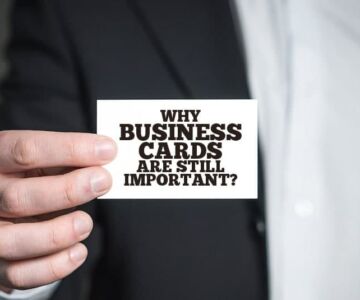
A Business card carries information about the business or the Individual. It includes the individual’s name, logo, contact address, telephone number, e-mail id, website address, etc. Now they also include social media addresses like Facebook, Twitter, and LinkedIn.
Having a business card, you may have plenty to gain and nothing to lose. You may need a business card under the following circumstances:
Though today’s business communication has been entirely automated due to the trending technological advancement, business cards seem to be simply irreplaceable. Most company officials still carry their business cards in their pockets and hand them out while meeting potential clients.
A business card is an effective & handy tool to promote business in places like seminars, trade fairs, or business meetings. It is indeed a part of the branding exercise that aids in beating the competition. Smart strategists infuse creative designs so that the card itself speaks about their business.
Read here: Is Starting Your Own Business Worth It?
Sharing business cards, being a universal system, has its way of giving and receiving them, and also the same varies between cultures. Research about your destination and its culture well ahead you start giving your business card; it is always good to know the local practices there.
One big reason why business cards are still used is that it delivers the contact information of your business. A company’s contact information is said to be crucial to clients. The recipient will store your card and will make use of it when there is a requirement.
While handing out business cards, it is not just the details that you share but also you greet each other, spend good time and a good connection happens. This warmth helps in building a strong relationship with the client.
An attractive, well-designed business card will make a favorable impression on your business. Ensure your business card is eye-catching; use your business brand color, choose the right material for your card so that it looks professional. It makes your brand recognizable to your clients.
In some cultures, it is important to share your business card. For some, business cards are said to be a part of business rituals. In some countries, it is important that when someone offers their business card, you should in turn give yours.
As business cards tend to represent your company’s brand, it is considered an important marketing tool. For such reasons, people make their cards look the best. Specialized printing techniques such as foil stamping, embossing, laminating, or thermography can be used to make your business card look unique.
You can also mention the skills that you possess in your business card so that the recipient will know about it and may refer your skills and business to someone who may require it.
Yes, Business cards are still in use and it gives a positive impact on your business. It conveys the important contact details of your business to your recipient.
Yes! It is worth getting business cards. You may get easy access to contact information when you need any particular service. You can store the cards that you receive in a designated place for easy retrieval.
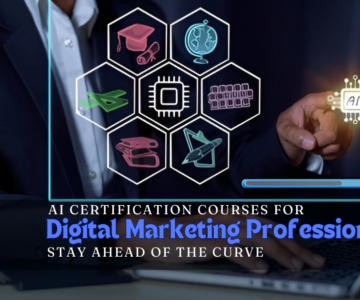
As artificial intelligence (AI) transforms industries worldwide, digital marketing professionals face the need to adapt and evolve. AI tools are reshaping how brands engage with customers, drive sales, and optimize their marketing efforts. To stay competitive, marketers must leverage AI to improve personalization, automation, and data-driven decision-making. AI certification courses offer a powerful opportunity to stay ahead of the curve, arming digital marketers with the latest skills and knowledge in this rapidly growing field.
In this blog, we’ll explore why AI certification courses are vital for digital marketing professionals, the benefits they bring, and some top programs to consider.
AI has revolutionized digital marketing by making processes smarter, faster, and more efficient. Here’s why AI certification is essential:
When selecting an AI certification course, consider the following:
In an era where AI is reshaping the digital marketing landscape, professionals must stay ahead by acquiring relevant AI skills. AI certification courses not only enhance your ability to work smarter and more efficiently but also boost your marketability and earning potential. By staying updated on AI technologies and their applications, you’ll be equipped to lead innovative, data-driven marketing strategies that deliver superior results.
Whether you’re looking to advance your career or improve your company’s marketing efforts, investing in AI certification is a critical step to stay competitive in the ever-evolving digital world