September 10, 2025
 Top Mistakes to Avoid When Applying for Instant Loans Onlineby admin / January 30, 2026
Live Better, Live Smart
Choosing a right college major is one of the biggest decisions you’ll make, but it doesn’t have to be stressful. The extended guide provides students and their parents with detailed instructions which use new 2026 research data, authentic case studies and checklists to help them make their decisions. The optimal method to select your future career path requires you to concentrate on three areas which include your personal interests, abilities, current job market trends and your personal lifestyle requirements, which will enable you to choose a career path that brings you joy and financial security.
The process begins with its most basic element: What lights you up? Take a sheet of paper or your notes application from your phone. Your task is to create a list that contains three to five school subjects or hobbies or activities which make you lose your sense of time. Rate your excitement for each item on a scale from 1 to 10.
Examples by Interest:
Math/Science lovers: Engineering, Computer Science, Data Science (high pay, problem-solving daily).
People skills: Business, Psychology, Nursing (teamwork, helping others)
Creative types: Graphic Design, Marketing, Film (projects over lectures)
Hands-on: Architecture, Nursing, Automotive Tech (build or fix real things)
Quick Self-Assessment (Fill Now):
| What? | Excitement (1-10) | Why? |
| Subject 1 | ||
| Hobby 1 | ||
| Dream Job |
Your top scores reveal natural fits.
Studies show interest predicts 40% of college success, way more than parental push. Weak in math? Skip engineering; try business analytics instead.
Dreams need numbers. Head to BLS.gov, LinkedIn Salaries, or Glassdoor for 2026 projections. Prioritize majors with 5%+ growth and $60K+ starting pay to beat average debt payback (under 5 years).
| Major | Job Growth (2026-30) | Starting Salary | Unemployment Rate | Why Choose It |
| Computer Science | 23% | $95K | 2.5% | AI, apps, remote work |
| Nursing | 6-15% | $75K | 1.4% | Always needed, shift flexibility |
| Data Science/Analytics | 36% | $90K | 2% | Every industry wants data |
| Engineering (all types) | 7% | $70K | 2.8% | Builds stuff, global jobs |
| Business Administration | 8% | $60K | 3.5% | Flexible: sales, HR, startups |
| Cybersecurity | 32% | $85K | 2.2% | Hackers everywhere |
| Healthcare Admin | 28% | $65K | 2.5% | Manage hospitals remotely |
Parent Note: Engineering/CS grads earn $3M+ lifetime vs. $1.5M for arts/education. But business offers quicker entry. Skip oversaturated fields like general liberal arts unless adding tech certs.
India/global bonus: IT/Engineering booms with remote US/EU jobs.
Don’t commit blind, sample it free:
Real Talk Examples:
35% switch majors costing $10K+ time. Testing drops that to 10%. Love it after trial? Lock in.
Majors shape life, score these yes/no for each option:
Avoid these, backed by student regret surveys:
Traps Checklist:
Rank your top 3 majors. 10 points max per row; pick highest total (30+ = strong go).
| Criteria | Major 1 Score | Major 2 Score | Major 3 Score |
| Interest/Excitement (1-10) | |||
| Job Growth (Yes=10, No=0) | |||
| Starting Pay Meets Needs (Yes=10) | |||
| Tested/Tried It (Yes=10) | |||
| Lifestyle Fit (Yes=10) | |||
| Total |
Winner Rules:
For Parents:
For Students:
Your degree opens the door, but skills get you hired.
STEM pays most, but versatile picks like business land 90% employed at graduation.
These are small actions with big impact:
Big Takeaway
Smart choices beat perfect. 2026 job market favors adaptable grads, pick, act, adjust.
Students: Own it.
Parents: Guide, don’t dictate. Future success starts here.









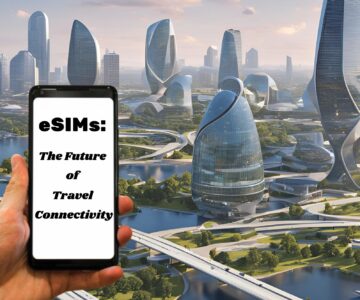
In our increasingly connected world, staying online while traveling is no longer a luxury but a necessity. Whether for navigation, communication, or sharing experiences on social media, having reliable internet access is crucial. Traditional SIM cards have served us well for years, but they come with limitations, especially for frequent travelers. Enter the eSIM (embedded SIM), a revolutionary technology poised to transform how we stay connected while globetrotting. This blog will explore what eSIMs are, their benefits, and why they represent the future of travel connectivity.
An eSIM, or embedded SIM, is a digital SIM card that is built into your device, such as a smartphone, tablet, or smartwatch. Unlike traditional SIM cards, which require physical swapping when changing carriers, it can be programmed remotely. This means you can switch carriers or activate a new plan without needing to insert a new SIM card physically.
One of the most significant advantages is convenience. Travelers no longer need to hunt for local SIM cards upon arrival in a new country. With an eSIM-compatible device, you can purchase and activate a local plan online, often before you even leave home. This eliminates the hassle of finding a SIM card vendor and ensures you’re connected as soon as you land.
eSIMs offer unparalleled flexibility. You can store multiple carrier profiles on a single eSIM, allowing you to switch between different plans and carriers as needed. This is particularly beneficial for frequent travelers who hop between countries and need to avoid high roaming charges.
Using local carriers via eSIMs can significantly reduce the cost of international roaming. You can shop around for the best deals and select a plan that fits your needs and budget. Many providers offer competitive rates for data, voice, and text services, making it easier to stay connected without breaking the bank.
Traditional SIM cards contribute to electronic waste. By eliminating the need for physical SIM cards, these are a more environmentally friendly option. They reduce plastic use and the carbon footprint associated with manufacturing and distributing physical SIM cards.
These eSIMs provide enhanced security features compared to traditional SIM cards. They are less prone to physical theft or loss since they are embedded in the device. Additionally, eSIM profiles can be easily wiped remotely if your device is lost or stolen, ensuring your data remains secure.
As technology advances, the adoption is expected to grow rapidly. Major smartphone manufacturers, including Apple and Google, have already embraced eSIM technology, incorporating it into their latest devices. This trend is likely to continue, with more devices becoming eSIM-compatible and carriers worldwide offering various plans.
eSIMs are not limited to smartphones. They are increasingly being used in various Internet of Things (IoT) devices, such as smartwatches, tablets, laptops, and even cars. This integration will enable travelers to stay connected across multiple devices without needing separate SIM cards for each one.
Imagine landing in a foreign country, and your phone automatically connects to the best local network without any manual intervention. This is becoming a reality. This technology can provide a seamless and enhanced travel experience, ensuring you stay connected without any interruptions.
As more carriers adopt this technology, travelers will have a wider range of options. This competition among carriers can lead to better pricing, improved service quality, and innovative travel-specific plans tailored to the needs of global travelers.
Getting started with eSIM technology is straightforward, but a detailed understanding of each step can help ensure a smooth transition from traditional SIM cards to eSIMs. Here’s a comprehensive guide to help you get started with eSIM:
Before you can use an eSIM, it’s essential to verify that your device supports eSIMs technology. Most recent flagship smartphones, smartwatches, tablets, and other devices come with eSIM capability. Here’s how you can check:
Choosing an eSIM provider is crucial to ensure you have reliable connectivity in the regions you plan to visit. Here’s how to go about it:
Activating your eSIM involves a few simple steps, but the process might vary slightly between providers. Here’s a general guide:
Managing your eSIMs involves several aspects, such as switching between profiles, monitoring data usage, and troubleshooting. Here’s how to do it:
eSIMs are revolutionizing how we stay connected while traveling, offering unparalleled convenience, flexibility, and cost savings. As the technology continues to evolve and gain widespread adoption, the days of fumbling with physical SIM cards and dealing with exorbitant roaming charges will soon be a thing of the past. Embrace the future of travel connectivity with eSIMs and enjoy a seamless, hassle-free experience wherever your adventures take you.

Thailand has become a hub for digital nomads, offering a unique blend of affordable living, vibrant culture, and beautiful landscapes. The rise of co-living spaces has further cemented its reputation as a top destination for remote workers. These spaces provide not just a place to stay but also a community of like-minded individuals, making them ideal for those looking to balance work and play. Here’s a look at the top 10 co-living spaces in Thailand for digital nomads.
Outpost Chiang Mai is a popular choice for digital nomads who want to experience the best of northern Thailand. Located in the heart of Chiang Mai, this co-living space offers a perfect blend of comfort and productivity. With fast Wi-Fi, a vibrant community, and access to local attractions, Outpost is ideal for those seeking a work-life balance.
Key Features:
HUBBA is one of Thailand first co-working spaces and has expanded into the co-living market. Their Bangkok location is perfect for digital nomads looking to immerse themselves in the hustle and bustle of the city while having a productive environment in which to work.
Key Features:
Kohub, located on the island of Koh Lanta, offers a unique co-living experience with a strong focus on community and collaboration. It’s a great option for those who want to enjoy beach life while staying productive.
Key Features:
The Canopy is another excellent co-living space in Chiang Mai, offering a more boutique experience. It’s perfect for digital nomads who prefer a smaller, more intimate community.
Key Features:
HOMA Phuket Town combines modern living with a community-driven approach. This co-living space is ideal for digital nomads looking for a long-term stay with all the comforts of home.
Key Features:
For those who love adventure, Basecamp Tonsai in Krabi is the perfect co-living space. Located near some of the best rock climbing spots in Thailand, it’s ideal for digital nomads who want to combine work with outdoor activities.
Key Features:
Sun and Co. on Koh Phangan offer a mix of luxury and community. Known for its stunning sunsets and vibrant community, this co-living space is perfect for digital nomads who want to enjoy island life without sacrificing productivity.
Key Features:
The Cove on Koh Tao offers a peaceful retreat for digital nomads who prefer a quieter environment. With its stunning views and relaxed vibe, it’s an excellent place to focus on work while enjoying the beauty of the island.
Key Features:
Phanganist Hostel offers a unique co-living experience with a strong community focus. It’s a great place for digital nomads who enjoy socializing and participating in local events and workshops.
Key Features:
Squirrel Hostel in Bangkok is perfect for digital nomads looking for an affordable and centrally located co-living space. It offers a mix of dormitory-style and private rooms, making it accessible for all budgets.
Key Features:
Thailand’s co-living spaces offer digital nomads the perfect balance of work, community, and leisure. Whether you prefer the bustling city life of Bangkok, the serene mountains of Chiang Mai, or the beautiful beaches of Koh Phangan, there’s a co-living space in Thailand that will meet your needs. Each of these spaces provides not just a place to live, but a community to connect with, making them ideal for anyone looking to thrive in the digital nomad lifestyle