September 10, 2025
 Quick Substitutes for Common Cooking Ingredientsby admin / December 26, 2025
Live Better, Live Smart
After your operation, you’ll wake up groggy and possibly in pain with a vague idea of what to expect for the near future. You are required to take a break after surgery, have specific instructions to follow including taking medication as prescribed. In the post-operative stages after discharge from the hospital, many people experience some difficulty understanding how to proceed.
The process of healing is only a small part of your overall health recovery. You will recover faster and more smoothly if you follow all the post-surgery recovery instructions given to you. Doing so lowers the risk of problems and delays. It also helps you return to your normal daily activities with more confidence and ease. This blog will guide you through your recovery period that you can actually apply to your situation.
While most people’s surgeries only last for a few hours, their recovery may take weeks or even months. This is the stage at which your body heals, controls swelling and slowly restructures strength. At the same time, most problems don’t show up during surgery because they take place afterward, when people try to do too much too soon.
Doctors around the world agree that post-surgery recovery best practices make a real difference. Recovery isn’t something you “wait out.” It’s an active process and your daily choices matter.
One of the most common mistakes people make after surgery is changing the rules on their own.
This can include:
The guidelines of a doctor are targeted for your operation and your physique. If there is anything that does not seem right or gives you a feeling of discomfort, it is definitely better to ask than to decide on your own to make changes.
It is quite painful after a surgical operation, however, doing so with great endurance doesn’t advance the cause of anybody. A controlled pain allows healing to become the main focus of the body.
Good pain management helps you:
Make sure that you use pain medications just as your doctor has instructed. In case you are uneasy about the side effects of pain medications or if you are worried about the length of time that you will have to use these medications, kindly talk to your doctor. Properly using pain medication is one of the components of the healing process after an operation and it is definitely not something that you should feel guilty about.
It may seem like taking care of your wound is just part of your routine; nonetheless, proper wound care is actually one of the major points in the recovery process.
Generally, you will be required to:
The patient must be monitored for any signs of infection, for instance, redness, swelling or an unusual discharge.
Your body requires the best fuel for repair. Bad eating habits and meal skipping can slow down the healing process considerably without knowing.
Try to focus on:
Good nutrition seems to be one of the most looked-over best practices after surgery, yet it plays a huge role in the level of strength and energy you feel.
Rest is very important especially during the first days. But if you are going to spend all the time in bed, you will become stiff, weak and your circulation will be poor.
Most physicians advise that:
The goal is to do only enough to help your body without overexerting yourself.
Recovery doesn’t just affect your body-it affects your mood too. It’s very common to feel tired, emotional or frustrated after surgery.
Helpful ways to cope include:
Giving emotional support to yourself is definitely one of the post-surgery musts which, however, is very seldom mentioned.
Many people mean well but accidentally slow their healing by:
Everyone heals at their own pace. What matters is steady progress, not speed.
Recovery timelines vary, but many people notice:
If your pain gets worse, symptoms change suddenly or healing seems stalled, it’s important to contact your healthcare provider.
These tips are how hospitals and doctors guide patients nowadays, combined with recovery situations. These are the questions that people really ask and these are the answers:
Therefore, people who carry out post-surgery recovery best practices have a safer and more assured recovery.
Don’t think of getting back to your usual activities right away. Concentrate on giving your body the necessary time and help so that the healing process is complete.
By following reliable post-surgery recovery best practices, you reduce the risk of complications and recover faster. Take recovery one day at a time—healing is happening, even when it feels slow.
Also read: Top 10 Benefits of Regular Checkups for a Healthier Life










In today’s fast-paced world, where lifestyle diseases and mental health concerns are rising at an alarming rate, investing in health is not just a wise decision — it’s a necessary one. While diet, exercise, and mindfulness play crucial roles, there is also a place for safe, natural, and holistic medicinal aids that help support your body’s natural functions and promote long-term wellness. The idea is not to rely solely on medication, but to include the right kind of healthy support systems into your daily life.
In this blog, we’ll explore five healthy, natural, and commonly used types of medicines that have stood the test of time and are recommended by health practitioners globally for improving overall health, increasing immunity, aiding mental wellness, and ensuring long-term vitality. Please note that we are not referring to commercial brand names or pharmaceutical products, but rather general categories of wellness-focused, natural medicinal supplements.
Before we dive into these top healthy medicines, let’s talk about what it really means to invest in health.
Investing in health means choosing habits, routines, products, and practices that prevent disease, improve your current condition, and enhance your physical and mental well-being. The return on this investment is not just the avoidance of illness, but a more vibrant, energetic, and productive life. Your body is your most valuable asset — and just like any other investment, it thrives with proper care, nourishment, and attention.
A health investment mindset includes:
Let’s now uncover five powerful and healthy categories of medicinal support that can help you sustain long-term wellness.
Adaptogens are a unique class of herbs that help the body resist physical, chemical, and biological stressors. They work with your body’s adrenal system to balance hormones, regulate mood, and improve resilience.
Unlike medications that target specific symptoms, adaptogens work holistically. They don’t override natural systems but help them return to balance. People under chronic stress, those who frequently feel fatigued, or even those suffering from emotional burnout, can benefit greatly from adaptogens.
Common benefits of adaptogenic herbs include:
Some widely recognized adaptogens include herbs that have been used in Ayurvedic and Chinese medicine for centuries. Regular use under professional guidance can help restore internal equilibrium, particularly in those suffering from stress-induced ailments.
Medicinal mushrooms have been part of traditional healing systems for thousands of years. They are considered one of the most potent categories of functional foods that blend the line between nutrition and medicine.
They contain unique polysaccharides, antioxidants, and compounds that support the immune system, fight inflammation, and even exhibit anti-aging properties. What makes them fascinating is their ability to modulate immune function — they neither suppress nor overstimulate, but regulate your system to a balanced state.
Key benefits of medicinal mushrooms include:
These fungi are commonly used in tea, powder, or capsule form and are well-tolerated by most people. Regular consumption as a part of your health routine can improve vitality and resilience.
Gut health is increasingly being recognized as the foundation of overall wellness. A balanced gut microbiome not only supports digestion but also impacts your mood, immunity, and metabolic health. Unfortunately, modern diets, stress, and overuse of antibiotics often damage this delicate microbial balance.
Healthy medicines that support gut health — including probiotics, prebiotics, and natural enzymes — can significantly improve how your body functions on a day-to-day basis.
Benefits of gut-supportive medicines include:
Balancing your gut health is one of the most powerful investments you can make. When your digestive system functions efficiently, your body is better equipped to detoxify, absorb nutrients, and fight disease.
In a society where anxiety, depression, and insomnia are increasingly common, supporting mental wellness is as critical as physical health. There are a variety of healthy, plant-based medicinal supports designed to ease the nervous system, balance mood, and help regulate sleep without dependency.
Natural herbal blends that calm the nervous system work by interacting with brain chemistry to reduce stress hormones, increase serotonin levels, and promote a relaxed state of mind. When taken consistently and as recommended, they can gently restore balance to those suffering from chronic stress or sleep disorders.
Mental wellness and sleep-support benefits include:
These natural medicines are not meant to replace therapy or professional care but can act as effective complementary tools in supporting mental well-being.
Chronic inflammation is a hidden enemy. It’s at the root of many modern diseases including heart disease, diabetes, arthritis, and even certain cancers. The challenge is that inflammation often goes unnoticed until it results in a serious condition. Investing in natural anti-inflammatory medicines is a preventative measure that helps to calm the body before damage is done.
These natural compounds help reduce oxidative stress, support joint health, lower inflammation markers, and improve organ function. They’re often derived from plants, roots, or minerals and work holistically without the harsh side effects of chemical alternatives.
Key benefits of natural anti-inflammatory support include:
Taken consistently, these supplements promote internal healing, reduce cellular aging, and help protect against lifestyle-related diseases.
Merely buying supplements isn’t the answer. Incorporating them into a healthy lifestyle amplifies their benefits. Here are some tips for making these natural medicines work for you:
Your health is your greatest asset. It allows you to show up at your best — in your work, your relationships, and your goals. Taking care of your body and mind using the power of natural medicine is not just a wellness trend; it’s a transformative lifestyle approach.
When you begin integrating natural, body-supportive medicines into your daily life, you’re not just managing symptoms you’re supporting your body’s ability to thrive. With consistent effort and a proactive mindset, you can reduce your risk of disease, feel more energized, and enjoy greater mental clarity and peace of mind.
Remember, the true value of any investing in health is measured by its return. In the case of your health, the return is nothing short of life itself vibrant, energized, and empowered.
The world of investing in health medicine offers a diverse array of natural solutions to modern-day challenges. Whether it’s managing stress with adaptogens, boosting immunity with mushrooms, restoring gut balance with probiotics, improving sleep and mood with herbal support, or fighting inflammation at the root — each of these categories brings valuable, long-term benefits to your wellness journey.
By choosing to incorporate these powerful aids into your daily routine, you’re not just surviving you’re investing in a thriving, balanced life. Stay informed, be consistent, and honor the journey toward better health with conscious and compassionate choices.
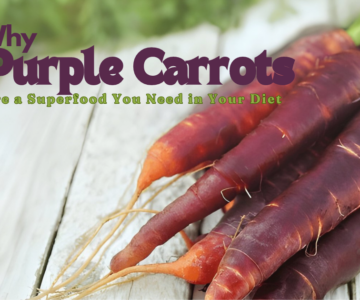
When you think of carrots, you probably imagine the familiar orange variety found in salads, soups, or as a healthy snack. But did you know carrots come in a range of vibrant colors, including red, yellow, white, and purple? Among these, the purple carrot stands out not only for its striking color but also for its remarkable health benefits. In fact, purple carrots are a superfood you should definitely consider adding to your diet.
Purple carrots aren’t just beautiful; they pack a nutritional punch that sets them apart from their orange counterparts. What makes them a superfood? Here’s why:
Carrots come in a rainbow of colors, each offering unique nutritional benefits:
While all carrot varieties offer nutritional benefits, purple carrots stand out due to their dual action of providing both beta-carotene and anthocyanins. This combination offers enhanced protection against oxidative stress, supports heart health, and delivers anti-cancer properties, making purple carrots one of the most nutritionally dense foods you can eat.
Their unique phytochemical composition, particularly the anthocyanins, gives them a significant edge over other carrot varieties. While orange carrots excel in supporting vision and immunity, purple carrots provide these benefits and more, including fighting inflammation and supporting healthy blood sugar levels.
Incorporating purple carrots into your diet is easy and delicious. Here are a few ideas:
Purple carrots are more than just a colorful twist on an old favorite. With their powerful antioxidants, anti-inflammatory properties, and rich nutrient profile, they have earned their place as a superfood. Adding purple carrots to your diet is a simple and effective way to boost your health and enjoy a variety of benefits, from better heart health to improved digestion.
So next time you’re at the grocery store or farmer’s market, don’t just reach for the orange carrots—give the purple variety a try. Your body will thank you