September 10, 2025
 10 Healthy Summertime Recipes: Dishes and Drinks in Under 30 Minutesby admin / March 14, 2026
Live Better, Live Smart
Ever wake up after a full night’s sleep, yet drag through the day with nagging fatigue? Sleep alone often falls short. True energy comes from addressing all seven types of rest, a concept from physician Dr. Saundra Dalton-Smith that tackles why exhaustion lingers despite shut-eye.
Busy schedules drain more than just the body. Modern life bombards minds, emotions and senses, leaving people depleted in hidden ways.
This guide breaks down the seven types of rest, practical ways to get each one and why they beat simple breaks. Readers gain actionable steps to recharge fully, backed by health experts. Time to rethink rest and reclaim vitality.
Plenty hit the pillow for eight hours but still feel wiped out. Science points to rest deficits beyond physical recovery. The brain processes nonstop input from screens, talks and stress, creating “invisible” fatigue.
Statistics show 77 percent of workers battle burnout, often from unbalanced rest. A break might pause work, but rest restores deeply. Breaks refresh temporarily whereas rest rebuilds capacity across layers like emotions or creativity. Understanding the seven types of rest reveals the gap and offers fixes.
Each type targets a specific drain. Balance them daily for peak energy.
Incorporate all seven types without big overhauls. Start small.
Track via apps or journals. Aim for variety; one type boosts others. Studies confirm balanced rest cuts fatigue 30 percent faster than sleep alone.
| Type of Rest | Quick Practice | Instant Benefit |
| Physical | 10-min nap | Eases body tension |
| Mental | List brain dumps | Clears mental fog |
| Emotional | Vent to a trusted pal | Lifts mood burden |
| Sensory | Closes your eyes | Reduces overload |
| Creative | Nature gaze | Sparks fresh ideas |
| Social | Solo evening | Recharges bonds |
| Spiritual | Gratitude note | Builds purpose |
Breaks pause activity, like coffee chats or scrolls. Rest actively replenishes depleted resources. A break might scroll feeds (adding sensory drain), while rest dims lights for true calm.
Breaks refresh surface-level; rest rebuilds foundations.
Example: lunch break eats amid noise (break), but mindful solo meal quiets senses (rest). Prioritize rest for lasting pep.
Professionals transformed energy.
These shifts prove rest compounds: better sleep follows mental ease.
Also Check: The Connection Between Sleep and Mental Health
Short bursts: stretches, breathers, or quiet moments fit anywhere.
Sleep misses non-physical drains like emotional or sensory overload.
Breaks pause tasks; rest rebuilds specific energy types deeply.
All seven; deficits in one ripple across others.
Embrace all 7 types of rest each day to tap into energy that sleep alone can’t give you. Balance them out, and you’ll see fatigue melt away as your vitality kicks in. Your best self is waiting.









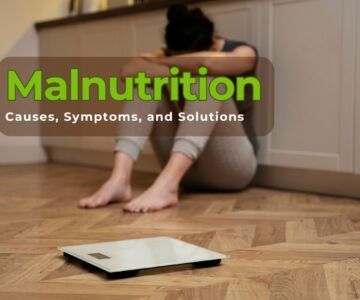
Malnutrition is a widespread yet often overlooked health issue that affects people of all ages across the globe. It occurs when the body does not get the right balance of nutrients to function properly. This can include both undernutrition (not getting enough nutrients) and overnutrition (getting too many nutrients), though the term is most commonly associated with undernutrition.
Understanding malnutrition—its causes, symptoms, risk factors, and treatments—is essential for early detection and prevention. In this article, we’ll explore everything you need to know about malnutrition.
Malnutrition refers to a condition that results from an unbalanced diet, where a person either receives too few or too many nutrients. While it’s commonly linked with starvation and poverty, malnutrition can also occur in people who consume enough calories but lack essential vitamins and minerals.
There are two main types of malnutrition:
Undernutrition: This includes wasting (low weight-for-height), stunting (low height-for-age), underweight (low weight-for-age), and micronutrient deficiencies (lack of important vitamins and minerals).
Overnutrition: This refers to consuming more nutrients, especially calories, than the body needs, often leading to overweight and obesity.
Both types can lead to serious health problems if not addressed in time.
Malnutrition doesn’t happen overnight. It usually results from a combination of factors, including:
A diet lacking in key nutrients like protein, iron, zinc, and vitamins can quickly lead to malnutrition, especially in children and elderly individuals.
Certain medical conditions, such as cancer, diabetes, and gastrointestinal disorders (like Crohn’s disease), interfere with the body’s ability to digest or absorb nutrients.
Depression, dementia, and eating disorders like anorexia or bulimia can all contribute to reduced appetite and poor nutrition.
In low-income regions, food insecurity remains a leading cause of malnutrition, especially in children.
Substance abuse can suppress appetite and interfere with nutrient absorption.
Older adults may have difficulty chewing, swallowing, or shopping for and preparing meals, which increases their risk.
The symptoms of malnutrition can vary depending on the severity and type of nutritional deficiency. According to the NHS, common signs include:
Unintentional weight loss
Fatigue or low energy levels
Weakness and muscle loss
Reduced appetite
Dry, flaky skin or brittle hair
Swollen or bleeding gums
Increased risk of infections or illnesses
Slow wound healing
Stunted growth (shorter than average for their age)
Delayed development in speaking, motor skills, or social interaction
Low energy and fatigue
Irritability or behavioral issues
Weakened immune system – getting sick more often than peers
If you notice any of these signs in yourself or someone else, especially in vulnerable groups like the elderly or children, consult a healthcare provider for proper screening and diagnosis.
Healthcare professionals typically diagnose malnutrition by assessing:
Weight loss history: Losing more than 5-10% of body weight over a short period is a red flag.
Body Mass Index (BMI): A BMI below 18.5 may indicate undernutrition.
Physical signs: Such as muscle wasting, dry skin, and fatigue.
Blood tests: These may check for vitamin and mineral deficiencies or other related health concerns.
Early detection is crucial to prevent complications and improve recovery outcomes.
The treatment approach for malnutrition depends on its underlying cause and severity. Some common strategies include:
Eating a well-balanced diet that includes a variety of food groups is the cornerstone of recovery. In severe cases, nutritional supplements or fortified foods may be recommended.
If malnutrition is caused by an underlying illness (like IBS, cancer, or diabetes), treating the root cause is essential. Doctors may also prescribe vitamin or mineral supplements.
In individuals with severe malnutrition or those who cannot eat normally (such as stroke patients), tube feeding or intravenous nutrition might be necessary.
Regular monitoring ensures that the patient is gaining weight and recovering appropriately. Dietitians often work closely with patients during this process.
Prevention is always better than cure. Here are a few tips to help prevent malnutrition:
Eat a Balanced Diet: Include fruits, vegetables, whole grains, lean proteins, and healthy fats.
Stay Hydrated: Drink plenty of fluids to aid digestion and nutrient absorption.
Watch for Changes: Especially in older adults, keep an eye on changes in weight, mood, or eating habits.
Encourage Regular Meals: Skipping meals or restrictive eating patterns can lead to deficiencies.
Access Community Services: In many places, local services offer free or low-cost food options for those in need.
For children, early interventions like school meal programs and regular health check-ups can significantly reduce the risk of malnutrition.
According to the World Health Organization (WHO), malnutrition remains one of the most significant contributors to global disease and death. In developing countries, it is often linked to poverty, lack of education, and food scarcity. In developed countries, it can be connected to lifestyle choices, chronic diseases, and social isolation.
Whether it is undernutrition or overnutrition, malnutrition places a heavy burden on healthcare systems and communities.
Malnutrition is more than just a problem of hunger; it is a complex health issue that can lead to lifelong consequences if not addressed early. Knowing the causes, signs, and solutions is the first step in fighting this silent epidemic.
Whether you’re a caregiver, healthcare provider, or someone wanting to stay informed, understanding malnutrition is key to promoting better health and well-being for yourself and others.

When you think of carrots, you probably imagine the familiar orange variety found in salads, soups, or as a healthy snack. But did you know carrots come in a range of vibrant colors, including red, yellow, white, and purple? Among these, the purple carrot stands out not only for its striking color but also for its remarkable health benefits. In fact, purple carrots are a superfood you should definitely consider adding to your diet.
Purple carrots aren’t just beautiful; they pack a nutritional punch that sets them apart from their orange counterparts. What makes them a superfood? Here’s why:
Carrots come in a rainbow of colors, each offering unique nutritional benefits:
While all carrot varieties offer nutritional benefits, purple carrots stand out due to their dual action of providing both beta-carotene and anthocyanins. This combination offers enhanced protection against oxidative stress, supports heart health, and delivers anti-cancer properties, making purple carrots one of the most nutritionally dense foods you can eat.
Their unique phytochemical composition, particularly the anthocyanins, gives them a significant edge over other carrot varieties. While orange carrots excel in supporting vision and immunity, purple carrots provide these benefits and more, including fighting inflammation and supporting healthy blood sugar levels.
Incorporating purple carrots into your diet is easy and delicious. Here are a few ideas:
Purple carrots are more than just a colorful twist on an old favorite. With their powerful antioxidants, anti-inflammatory properties, and rich nutrient profile, they have earned their place as a superfood. Adding purple carrots to your diet is a simple and effective way to boost your health and enjoy a variety of benefits, from better heart health to improved digestion.
So next time you’re at the grocery store or farmer’s market, don’t just reach for the orange carrots—give the purple variety a try. Your body will thank you