September 10, 2025


Live Better, Live Smart
Penguins are among the most adored avian species in the world because they exhibit unexpected traits. The flightless seabirds possess remarkable physical abilities and maintain sophisticated social structures, while they show unexpected abilities beyond their reputation as “adorable birds that waddle in tuxedo-like feathers.”
This article presents various facts about penguins which examine their habitats, dietary habits, lifespan and ability to fly and presence of teeth.
A very common myth is that penguins live in the Arctic, but in reality all penguin species are native to the Southern Hemisphere.
The distribution of these birds includes Antarctica, Subantarctic islands, South American coasts, South African, Australian, New Zealand and Galápagos Islands. The only place you might see “Arctic penguins” in photos is in zoos or films, they are not part of the wild Arctic ecosystem.
Penguins are marine birds that spend most of their lives at sea, but they must come ashore to breed and molt.
The four penguin species which inhabit Antarctica and its surrounding ice regions include:
The breeding habits of king, macaroni and rockhopper penguins lead them to inhabit remote island locations with rugged coastal environments.
African penguins inhabit the Southwestern African coastline while Humboldt and Magellanic penguins reside on the South American western coastline. The Galápagos penguin is the only species that regularly crosses the equator.
Penguins prefer to inhabit areas of the Southern Hemisphere which feature open islands and coastlines without ice and they remain near cold waters that contain abundant nutrients.
The current classification of penguin species includes approximately 18 to 21 distinct species which scientists recognize as valid.
Some of the best‑known types of penguins include:
Penguins can inhabit regions from icy Antarctica to almost tropical shores because each species possesses unique facial features, breeding patterns and climate requirements.
The emperor penguin species exists as the largest penguin species which has developed extreme survival abilities throughout its existence.
They can reach about 1.2 metres tall and weigh up to 40 kg.
The Antarctic winter serves as their breeding season because temperatures can dip below ‑40°C during this time period.
Males balance a single egg on their feet and cover it with a warm brood pouch while females go to sea to feed.
The emperor penguin uses this amazing parenting technique, which leads people to refer to them as the “ultimate giants of the penguin world.”
King penguins exist as the second largest penguin species and they possess one of the most attractive appearances.
They use their bright orange yellow neck and upper chest patches to identify each other among their enormous breeding groups.
They breed on subantarctic islands such as South Georgia and the Falklands, often in colonies of tens of thousands.
Unlike emperor penguins, they do not breed on sea ice but on rocky or sandy beaches.
The social behavior of king penguins requires them to stay connected with their partners and chicks by using vocal calls and visual markings, which proves essential for their survival in crowded rookeries.
The basic information about penguins provides essential knowledge, yet numerous entertaining details about these birds enhance their appeal.
Penguins use a swimming technique known as “porpoising” which allows them to jump between water and air for energy conservation and predator evasion.
The seabirds possess a unique gland which enables them to extract salt from seawater so they can consume ocean water without losing body fluids.
Some bird species create crèches which serve as gathering spaces for chicks to sleep while their parents hunt for food at sea.
Penguins move their bodies across snow and ice by sliding on their stomachs which they propel forward through their flippers and feet.
Penguins display their unique behaviors because they demonstrate intelligence and effective energy use while forming social connections with one another.
One of the most common questions is can penguins fly? The simple answer is no, penguins are flightless birds.
Penguins use their wings as flippers which enable them to swim through water instead of flying through air.
Some species can swim at speeds of up to 6–10 km/h and dive for several minutes to catch food.
Penguins possess excellent underwater swimming abilities which make them highly skilled swimmers among all bird species.
Penguins are carnivores that feed almost entirely on seafood.
The typical food of penguins includes the following items:
Different species of animals select various types of food because of their specific habitat locations. Emperor penguins in Antarctica rely on fish and krill as their primary food source while Galápagos penguins in equatorial waters feed on small schooling fish.
The lifespan of penguins varies according to their species because most wild penguins live between 15 and 20 years but some individuals reach their late 20s and even beyond that age.
Emperor penguins live approximately 15 to 20 years but extreme environmental conditions prevent most penguins from achieving their maximum life span.
The little penguin, which is a small penguin species, has a life span of 6 to 10 years that depends on the presence of predators and the amount of food that is available.
Penguins that live in zoos or protected areas reach greater life spans because these systems provide them with predator protection and constant food accessibility.
Penguins do not have teeth which mammals use to consume their meals. Their tongues and the inside of their mouths are lined with spiny, backward‑pointing barbs that help them grip slippery fish and squid. The barbs work as a one-way system which transports prey through the throat while preventing it from escaping.
Penguins use their mouths to capture ocean-based prey, which they have adapted to their specific hunting needs.










Have you ever dreamed of slipping through streets of smashed tomatoes or cheering as racers chase cheese down a killer slope? The world hosts unusual festivals that combine extreme entertainment with established cultural practices. The activities attract adventure seekers who want to experience stories that go beyond common tourist attractions.
These celebrations use their historical and cultural elements through their innovative and daring approaches. The public gathers to see events which include Spain’s tomato fights and Thailand’s monkey feasts. The social media buzz makes these two events into stronger attractions.
Locals honor ancient legends through these quirky rites. Think pagan thanksgivings or hero myths brought to life. They create bonds and keep customs alive in fresh ways. Travelers love the photos and tales that spark envy back home.
We spotlight five top picks here. Each offers easy access, big thrills and confirmed dates. They span continents for all tastes.
This hits Sonkajärvi every July. Men hoist partners over a 250-meter obstacle course of mud pits and logs. Legends of 19th-century robbers inspired it. Winners claim beer equal to the carrier’s weight.
The crowd roars with every slip and splash. Laughter fills the air non-stop. Catch a quick train from Helsinki. Pack rubber boots to stay dry.
Spring bank holiday weekends light up Cooper’s Hill. Competitors chase a 4-kilo wheel of Double Gloucester down a steep, 200-meter slope. Speeds top 70 mph. It marks the pagan welcome of summer.
The first to grab the cheese wins it as a prize. Bruises come with the territory. Arrive at dawn for the best viewpoints.
June’s Corpus Christi brings it to Castrillo de Murcia. Red-clad devils leap over rows of infants on mattresses. The 400-year-old rite wards off evil spirits. Parents believe it brings lifelong protection.
Whips snap and drums pound to build tension. The event stays free for spectators. Village rooms fill fast, so book ahead.
Lopburi hosts this on November’s last Sunday. Temple monkeys feast on tons of fruits and treats. It honors Ramayana epic heroes. The party started in 1989 to boost tourism.
Macaques snatch goodies from eager hands. Kids adore the playful chaos. A simple bus ride gets you there from Bangkok.
August 27 turns Buñol into a red mess. Revelers hurl 100 tons of overripe tomatoes. A 1940s market fight sparked the tradition. Trucks dump loads for one hour of frenzy.
Fire hoses blast the cleanup after. Tickets cap at 20,000 for safety. Goggles and old clothes make it worry-free.
Also Check: Weird Facts That Sound Fake but Are True
Each festival ties back to rich lore. Finland’s tests outlaw grit from old tales. Thailand celebrates monkey allies in ancient epics.
Spain blends Catholic faith with spring fertility dances. England offers thanks to earth gods for the harvest. Modern tweaks like barriers keep them safe and thriving.
Other spots shine too. Hungary’s February Busójárás chases winter with horned masks. Japan’s April Kanamara Matsuri parades phalluses for charity.
Start with key dates. Thailand’s Songkran soaks streets April 13-15. The budget runs 500 to 1,500 dollars per trip.
Pack sturdy shoes and disposable outfits. Respect rules like no wild animal feeding. Stack nearby events for efficiency. Apps track updates and rides.
Check weather and visas early. Families pick kid-friendly feasts. Thrill fans chase the steepest slopes.
South Korea’s Boryeong Mud Festival slathers crowds in July. Colorado’s Frozen Dead Guy Days races coffins in March. Florida Keys host an underwater music fest for reefs.
Portugal’s mud procession mixes faith and filth. India’s Bihu dances blend harvest joy with games. Endless weirdness waits worldwide.
Unusual festivals prove joy comes in odd packages. They teach us to accept the unexpected. Which one calls your name? Grab your gear and dive in.
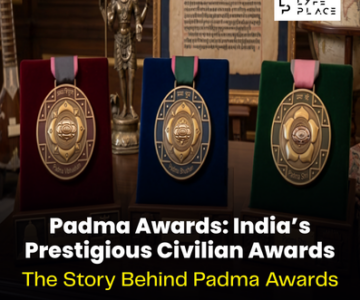
Every year around Republic Day, India comes alive with stories of ordinary people doing extraordinary things. The Padma Awards honor these real-life heroes – artists keeping traditions alive, doctors serving remote villages, scientists pushing boundaries and so much more. The moment arrives when the country expresses its gratitude to the people who create our future.
On January 25, 2026, President Droupadi Murmu approved 131 Padma Awards. This year’s list demonstrates that talent exists beyond all boundaries because it includes both Bollywood legends and grassroots innovators.
Picture this: three shining medals that rank just below the Bharat Ratna as India’s top civilian honors. Started back in 1954, Padma Awards celebrate outstanding work in arts, public service, science, medicine, education and sports
You’ve got Padma Vibhushan for game-changing contributions, Padma Bhushan for really impressive achievements and Padma Shri for solid, meaningful work in any field. They’re open to pretty much everyone – Indians, NRIs, even foreigners who’ve made a difference for India.
What’s cool is that anyone can nominate someone (even themselves!) through the official website. Government employees usually don’t qualify unless they’re exceptional doctors or researchers. No barriers based on caste, religion, or gender.
These awards kicked off in 1954 alongside Bharat Ratna. At first, Padma Vibhushan had three levels with fancy names like “Pahela Daska.” A year later, they became the familiar Padma Vibhushan, Bhushan and Shri we know today.
They hit some bumps along the way. Paused from 1978-1980 during political changes, then again 1993-1997 when courts called them “titles.” The Supreme Court fixed that in 1997, saying they’re proper “rewards for excellence.” Back stronger than ever.
Now they’re true “people’s awards.” Most come from public nominations, not just big names. They cap at around 120 per year, with extras for posthumous cases or overseas folks.
Simple three-tier system:
Each winner gets a certificate (Sanad), a medallion and a smaller replica to wear proudly. And no, there’s no Padma Shri award prize money – it’s all about the recognition, not cash.
Bharat Ratna sits above them all, limited to just three a year.
A committee led by the Cabinet Secretary digs through all the nominations. Think Home Secretary, PM’s Principal Secretary, plus 4-6 field experts. They sort the best ones and send recommendations to the Prime Minister, who advises the President.
For 2026, nominations closed August 15 last year. 19 women, 6 foreigners/NRIs, 16 posthumous awards. Balanced and inspiring.
Announced every January 25 (Republic Day eve), presented by the President at Rashtrapati Bhavan in March or April. With it being early March 2026, this year’s ceremony is right around the corner!
Past events felt magical – Lata Mangeshkar, Sachin Tendulkar receiving from the President. Pure goosebumps.
131 awards, total diversity. Here’s who made the cut:
Padma Vibhushan (5 recipients):
Padma Bhushan (13 recipients):
Padma Shri (113 recipients):
Various tribal artists
19 women honorees, full list at padmaawards.gov.in. Stories that’ll inspire you. Do check it out.
These aren’t dusty trophies. They lift up the unsung, that teacher transforming a village school, artisan saving dying crafts. Suddenly, their work gets national spotlight.
Winners get platforms to do even more. Recent years highlight Northeast heroes, women trailblazers. 2026 shows India bouncing back strong.
Know someone amazing?
Rules keep it fair: no “title” status, 5-year gap for upgrades, posthumous rare. They want sustained excellence, not one-offs.
No prize money, but the prestige? Opens every door. Media coverage, funding flows easier, invitations everywhere. That replica medallion becomes your proudest accessory.
Think A.R. Rahman – Padma fueled his global rise. Families pass down the honor for generations.
| Award | Limit/Year | Selection Process | Prestige Level |
| Bharat Ratna | Max 3 | Direct PM to the President | Highest |
| Padma Awards | ~120 | Committee review | Second tier (3 levels) |
The Bharat Ratna celebrates icons like Sachin Tendulkar and Lata Mangeshkar. Meanwhile, the Padma Awards honour thousands of remarkable contributors across fields of each ceremony equally grand in spirit.
Padma awards are announced January 25, presented March/April by the President at Rashtrapati Bhavan.
Nope, no Padma Shri award prize money. Pure honor via medallion and certificate.
The President of India presents them personally.
The committee recommends to the PM, who advises the President. Public nominations drive it.
There are a total 131 Padma awards:
These awards remind us that excellence lives everywhere in small villages, bustling cities and even on global platforms. The 2026 honours prove it once again. Know someone making a difference? Nominate them and let the nation celebrate their story.