September 10, 2025
 Jobs That Will Be in Demand in 2035by admin / February 3, 2026
Live Better, Live Smart
Establishing a small business creates positive energy, yet business owners need to complete several mandatory legal steps for starting a small business before they can proceed with their work. The correct handling of paperwork and compliance requirements during the initial stages of your business activities enables you to avoid future operational difficulties, financial penalties and legal complications.
Your specific requirements will vary according to your country and city, yet most places require businesses to complete fundamental legal procedures which include choosing a business structure, registering their business, obtaining required licenses, permits, handling their tax obligations, protecting their brand and customer information.
The first legal decision you make is your business structure. The business structure you select determines your tax obligations, liability protection and required administrative work. The common options include:
You should consult with a local accountant or lawyer to choose your business structure based on your industry requirements, risk tolerance and growth objectives.
The business registration process requires you to complete your business structure selection before you proceed to notify the appropriate government agency about your business establishment.
You must create a distinct business name which you should verify for availability.
The business name and entity (LLC, Pvt Ltd, etc.) must be registered with your state or national business registration body.
Most countries grant a business identification number together with a registration certificate which serves as your tax and banking identification.
If your business will operate under a name that differs from your official business name you must submit a trade name registration or doing business as DBA registration.
At least one license or permit exists for most small businesses which they need to operate legally. The specific requirements for your business depend on both your industry and your business location.
Common examples include:
Taxes represent a major component for businesses that operate within the legal framework. The process requires you to:
Basic legal safeguards need to exist because they help businesses operate smoothly while they protect customer security.
Again, either an HR consultant locally or a lawyer can lead you through implementing the appropriate procedures without making things too complicated.
If your business is already running, then the job of keeping compliant is never done.
Legal steps for starting a small business are not just “red tape.” They:
New businesses should not expect to achieve complete operational efficiency until their first day of work. Starting a business requires you to establish basic operational elements which include your business structure, registration process, license requirements and tax obligations before you start developing detailed business plans.
Completing your legal obligations and registering your business will provide you the ability to grow your business confidently and establish credibility; once you have completed the groundwork, you will not have to worry about compliance with the law while building your business. Are you ready to establish the legal steps for starting a small business?










Urban living isn’t what it once was – and hooray for that! The contemporary city dweller doesn’t desire to be saddled with year-long commitments, substantial deposits, or furniture woes. They desire freedom, flexible leasing models, and comfort. This is where micro co-living comes in, and why flexible leases are at the forefront of trendsetting in living styles.
Micro co-living is a new trend in housing that combines private personal space with shared communal space. It is a notch above conventional dorm living, but for grown-ups who have an appreciation for design, technology and affordability. Everyone has their own small but smart pod area – big enough to sleep, work and relax! Yes, you will share bathrooms, kitchens, lounges, and even work stations. Each room is thought out to diminish opportunity for other parties to have a memorable experience while allowing for privacy.
Remember those antiquated leases that bind you to 12 months, require two months of security deposit, and lack on utilities, furniture and maintenance fees? Yeah, we’re done with that.
Folks move more frequently today new jobs, new cities, new remote work lifestyles or simply to travel. The flexible leasing model of yesterday isn’t compatible with today’s fast, mobile lifestyle. And besides, most renters desire bundled-up convenience Wi-Fi, utilities, cleaning services all packaged into one simple payment with no added surprises.
Flexible leasing models are just what they imply: lease arrangements that adapt to your life rather than having you adapt your life to a lease. In micro co-living pods, that means you can:
Whether you are in a community for 6 weeks or 6 months, you still have control over your time as well as your money.
This is the most popular flexible lease choice. You pay rent monthly, and provided you give due notice (typically 7–30 days), you can depart at will. No contracts, no hassle.
Great for visitors, interns, or students on a short course. Simply pay for the weeks you require and move in/out with minimal disruption.
These automatically roll over each month until you choose to move out. Perfect for individuals with indefinite work schedules or who need to remain flexible.
A few co-living firms have operations in several cities or neighborhoods and enable you to swap pods seamlessly. You can stay close to your office for a time, then relocate closer to the coast all within the same lease framework.
Don’t assume flexible leases translate to lower quality. Some of these co-living pod rentals are gorgeous, in the heart of everything, and filled with amenities.
Here’s how they are ideal for this setting:
Whether you’re testing out a new job, city, or lifestyle, these lease models let you adapt without penalty.
No issue. These lease types make it easy and predictable.
With co-living short-term, they can move in fully furnished, stay for as long as they need, and move out as easily as they moved in.
Before shifting into your new community, you might want to remember a couple of questions:
Yes. Most are provided by professional co-living firms with online contracts and straightforward policies.
Nope! Most micro pods are fully equipped with a bed, desk, storage, and more.
This varies by provider. Some have minimum stays as brief as one week.
Some co-living spaces have shared pods or provide private rooms that are designed for couples.
Yes! Most flexible leases are set up for ease of extension, even last minute.
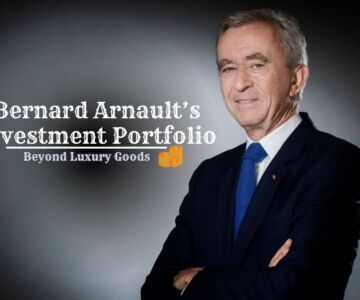
Bernard Arnault, the world-renowned French billionaire and chairman of LVMH (Moët Hennessy Louis Vuitton), is often associated with luxury brands and high-end consumer goods. However, Arnault’s investment portfolio extends far beyond the realm of luxury fashion and perfumes. As one of the most strategic and successful investors globally, Arnault has diversified his wealth across various industries, from tech and media to real estate and wine. Let’s explore the fascinating expanse of Bernard Arnault’s investment portfolio that goes beyond luxury goods.
Although LVMH may not seem directly tied to the tech world, Bernard Arnault has made substantial investments in technology companies over the years. His involvement in technology startups is a testament to his foresight in the growing importance of digital innovation. For example, Arnault’s private equity firm, Groupe Arnault, has been an early investor in companies like Netflix and Spotify, recognizing the potential of the streaming revolution long before it became mainstream.
Arnault’s keen interest in the technology sector aligns with the increasing importance of digital transformation, particularly in the luxury industry. LVMH has launched several e-commerce and digital retail platforms, positioning itself as a leader in leveraging tech for customer engagement.
Beyond the world of fashion and luxury, Bernard Arnault has a keen eye for real estate investments, especially in prime locations around the globe. His portfolio includes prestigious properties in Paris and other major cities worldwide. For instance, Arnault owns the iconic Cheval Blanc hotels, a luxury hospitality brand under LVMH that is expanding into premium real estate and tourism markets.
Through Groupe Arnault, Arnault has invested in some of the most sought-after real estate ventures in Europe, including high-end residential and commercial properties. These investments are not only a hedge against economic downturns but also provide long-term value in growing urban centers.
Arnault also has a hand in the world of media and publishing, making strategic investments that align with his branding and image-conscious approach. One of his most notable investments was the acquisition of Les Échos, a leading French financial newspaper, in 2007. He also owns a stake in Le Parisien, a popular French daily newspaper.
His investments in media provide him with influence in shaping public opinion and branding narratives, further extending his power beyond his luxury empire. This diversification into the media sector highlights Bernard Arnault’s understanding of how content and communication drive business success.
While LVMH is already home to some of the most prestigious wine and spirits brands such as Dom Pérignon and Moët & Chandon, Arnault’s interest in the wine business goes beyond his company’s holdings. He owns vineyards and wineries under his personal portfolio as well, showcasing a deep passion for the fine wine industry.
His personal collection of wineries includes renowned labels in Bordeaux and Burgundy, adding to his strong presence in the world of luxury wines. Bernard Arnault’s ability to combine personal interest with lucrative business ventures is a hallmark of his investment strategy.
Bernard Arnault is also an avid art collector, with a collection that includes works from Picasso, Warhol, and Basquiat. Arnault’s passion for art has driven him to invest in the world of art exhibitions and galleries, most notably through the Fondation Louis Vuitton, a contemporary art museum in Paris. This venture underscores Bernard Arnault’s commitment to cultural philanthropy and creative expression, blending art with business.
Moreover, art and collectibles have proven to be a valuable part of Arnault’s overall investment strategy, as these assets often appreciate significantly over time.
Bernard Arnault’s investment portfolio also reflects his commitment to philanthropy and culture. Through the Fondation Louis Vuitton, he has made substantial contributions to the art world, supporting exhibitions, cultural initiatives, and the preservation of artistic heritage.
In addition, Bernard Arnault and his family have pledged significant sums toward causes like the restoration of the Notre-Dame Cathedral in Paris, demonstrating that their wealth is not solely tied to commercial ventures but also to social and cultural contributions.
Lastly, Bernard Arnault’s financial investments extend into the world of banking and financial services. He has made strategic moves in this sector by acquiring stakes in prominent financial institutions. For example, through Groupe Arnault, he holds investments in French bank BNP Paribas and has interests in various private equity and venture capital initiatives.
By diversifying into financial services, Arnault not only protects his wealth but also positions himself to benefit from the growth of global markets and economies.
Bernard Arnault’s investment portfolio illustrates that his business acumen reaches far beyond the luxury goods industry. His investments in technology, real estate, media, and art reflect a keen understanding of how to diversify wealth while leveraging his brand’s strength. Whether in the tech sector with companies like Spotify and Netflix or in the wine and real estate industries, Arnault has demonstrated an uncanny ability to capitalize on emerging opportunities.
As the world watches Bernard Arnault grow his empire, one thing is clear: his vision for investments is not confined to the luxury world but encompasses a wide array of industries that drive global economic growth and cultural impact. His approach to strategic investments serves as an inspiration for both budding entrepreneurs and established business leaders alike