September 10, 2025
 How to Protect Your Intellectual Propertyby admin / December 19, 2025
Live Better, Live Smart
Fresh herbs have the power to elevate a meal completely. A small amount of basil is capable of making a pasta dish delicious, cilantro is able to elevate a curry and parsley is capable of making even the most bland dishes to be fresh.
However, amongst the top complaints in the kitchens of homes is the disappointment of opening the fridge and finding that herbs have gone limp, have become slimy or have dried out although they were only purchased a few days ago.
If you are wondering what the most effective method of storing herbs is, then you are definitely in the right place. Proper storage is what separates the life of herbs that last only two days from those that last two weeks or even a few months. This guide will tell you how to store herbs fresh for a longer time using simple, tested methods that are quite effective in everyday kitchens.
Fresh herbs are sensitive. Once they are detached from the plant, they start to lose their water content and flavor almost at the same time. Putting them in unsuitable conditions would result in:
By finding out the smartest storage method for herbs, one will be able to:
Before knowing ways of herb storage, it is necessary to realize that not all herbs react in the same way.
Soft (Tender) Herbs
These ones have soft stems and are highly hydrated:
Soft herbs deteriorate very quickly thus require moisture-intake friendly storage.
Hard (Woody) Herbs
These are characterized by hard stems and leaves:
Hard herbs last for a longer time and are more suitable for drier conditions. Correct herb storage depends to a great extent on whether they belong to which class.
Most Reliable Method for Soft Herbs (Excluding Basil)
The following method is by far the most dependable one if you want to know how to keep fresh herbs such as cilantro or parsley fresh.
Step-by-step:
Your herbs will be kept fresh for up to 14 days with this method which takes care of their hydration without dripping the leaves.
Basil is a plant which is very sensitive to cold and thus it should never be put in the fridge.
The best method to keep basil fresh:
Basil leaves, if put in a fridge, will very rapidly darken and wilt.
Hard herbs like a drier environment.
Easy method:
This method helps to remove the excess moisture that is still in the herbs while the dehydration process is slowed down. Hard herbs can be kept for up to two or even three weeks.
One of the most frequent errors in the case of storing herbs is that the herbs are stored when they are still wet.
The best way to do this:
If there is too much moisture, mold will start to grow and the decay process will be faster, that is why it is particularly dangerous for soft herbs.
Freezing is a very good alternative if you are not able to use herbs quickly.
Freezing works fine for herbs that are later cooked with and not for herbs that are used as a garnish because the texture changes after thawing.
Drying is also a long-term storage option mainly for sturdy herbs.
Air-drying method:
Dried herbs can last for several months, however, they are more concentrated, so it is better to use smaller quantities when cooking.
Below are the common mistakes that you should steer clear of when dealing with fresh herbs:
These mistakes significantly shorten shelf life.
|
Herb Type |
Storage Method | Average Freshness |
|---|---|---|
|
Cilantro / Parsley |
Water jar + fridge |
10–14 days |
|
Basil |
Room temperature |
5–7 days |
| Rosemary / Thyme | Paper towel + fridge | 2–3 weeks |
| Frozen herbs | Freezer | 3–6 months |
| Dried herbs | Airtight container | 6–12 months |
Knowing the right way to store herbs is one of the very easiest ways to cut down on food waste and make everyday cooking better. With just a few realistic changes – like separating soft and hard herbs, controlling moisture and selecting the proper storage method, you can keep herbs fresh for a much longer time than most people would think.
You can either put them in the fridge, freezer, or dry them but the main thing is to understand their nature and handle them accordingly. If done rightly, fresh herbs can be kept alive, tasty and ready to be used at any time.
Also Read: Seven Essential Reasons to Eat Vegetables in Winter









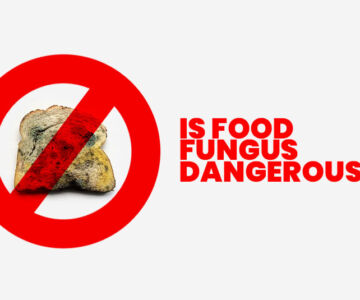
Molds are said to be microscopic fungi that actually live on plant or animal matter. They tend to grow from tiny spores that float in the air. When these spores fall on damp food, they grow as mold.
Molds feed themselves by producing chemicals that break down the food and eventually start to rot. There are thousands of varieties of molds. For instance, molds that grow on a lemon look like blue-green powder.
It looks like a grayish-white fuzz on a strawberry. A common mold that mostly grows on bread looks like white cotton. After a few days, it may turn black and the tiny black dots are said to be its spores which can produce molds. These molds are filamentous organisms and can be transported by water, air, or insects.
Is mold on food bad for you? Some Molds may cause respiratory problems and allergic reactions. And a few molds tend to produce mycotoxins which are poisonous substances and can make you fall sick.
They are said to be poisonous substances that are produced by certain molds found mostly in nut crops and grain but are also known to be on grape juice, apples, celery, and other produce. There are many types of molds and scientists are continually discovering them.
Cheese molds come with an exception! Some cheeses are eaten after they become moldy. For example, blue cheese actually gets its flavor from the veins of the blue-green mold in it. Holes are poked into blue cheese so that air enters these holes and mold grows here as the cheese ripens.
No, you only see a part of it on the surface of the food. When food shows mold growth, its root threads would have already invaded into the food deeply.
Molds need 4 things to grow on food: food, water, temperature, and suitable air quality. Food that contains any fluid or water is prone to mold growth. Also, mold only grows if the food is readily available in order to feed itself & grow.
Mold is said to be a fungus that feeds on dying or dead organic matter and can be hazardous to your health. Mold grows in damp, cool, and dark conditions but also they can grow at a warm temperature. They grow best between 55 – 70 degrees Celsius.
Here we will discuss mold on food in the fridge. Though molds are known to grow in warmer temperatures, they also grow in refrigerator temperatures. They also have the tendency to tolerate sugar and salt better than other food invaders.
So molds can grow on refrigerated jelly and jams and also on salty meats. So how to prevent mold on food in your refrigerator. Cleanliness is very important in controlling mold. Clean the refrigerator where the contaminated food was stored.
Also, clean nearby items because molds tend to spread quickly in vegetables and fruits. Regularly clean the inside of your refrigerator using 1 tablespoon of baking soda mixed in a quart of water. Then rinse with water & dry.
Use plastic bags to store foods which you want to stay moist like cut fruits or vegetables. Transfer perishable foods in an open can to clean storage containers & refrigerate them. Do not leave any perishable food outside refrigerators for more than 2 hours. Always use the leftovers as quickly as possible so that molds do not grow.
Is food mold dangerous to breathe? Do not sniff the food with mold as it can cause a respiratory problem. Discard the food covered with mold. Dispose of it in plastic and throw it in covered trash so that no animals are harmed by it.
There are 12 different types of mold which are listed below:
The side effects of eating mold include allergic reactions, gastrointestinal symptoms, or respiratory problems and it depends on the amount consumed, age & health of the individual.
Some of the health effects of mold exposure are as follows:
Some people have sensitive mold allergies and the symptoms are chest and nasal congestion, sore throat, coughing, wheezing, sneezing, skin irritation, headaches, watering, sore, or dry eyes.
People with pre-existing lung conditions like COPD are more vulnerable to mold’s health hazards. They easily tend to develop infections.
Mold exposure can lead to respiratory conditions in people who already have lung illnesses. It includes symptoms such as shortness of breath, coughing, wheezing, upper respiratory tract problems, etc.
Eating food with fungus may lead to respiratory problems, allergic reactions or gastrointestinal symptoms.
Keep your fridge clean and & remove any spoiled food. Properly store food & use leftovers at the earliest. This way you can prevent mold.
Stachybotrys referred to as black mold is dangerous as it can cause symptoms like headaches, diarrhea, flu-like symptoms, severe respiratory damage, memory loss, etc.
No, eating moldy food can lead to illness. So it is better to discard food with mold.

Discussing divorce with your children is a delicate and pivotal moment that requires careful planning and sensitivity. The way you approach this conversation can significantly influence how they process and adapt to the changes ahead. This article provides a comprehensive guide on how to talk to your kids about divorce, ensuring the discussion is honest, supportive, and age-appropriate.
Before talking to your child, both parents should discuss what they will say. Presenting a united front shows your child that, despite the changes, you are both still their parents and will continue to love and support them. Choose a calm moment to talk, ensuring there are no distractions.
Children, especially younger ones, need explanations they can understand. Avoid legal terms or complex reasoning. Instead, use age-appropriate words to explain the situation. For example:
Children often blame themselves for their parents’ divorce. Be very clear that the separation is an adult decision and has nothing to do with them. Reiterate this message several times to reinforce their understanding.
Children may react with sadness, anger, confusion, or even relief. Let them express their feelings without judgment. Reassure them that whatever they feel is okay and that you are there to listen and support them. Some children may not react immediately but may show signs of stress later. Keep communication open so they feel safe sharing their emotions.
Divorce brings a lot of changes, but maintaining familiar routines can provide comfort. Let your child know what to expect regarding their home, school, and daily activities. If possible, keep bedtime routines, school schedules, and extracurricular activities the same to give them a sense of stability.
Regardless of the circumstances, never speak negatively about your ex-spouse in front of your child. Keep adult conflicts separate, and focus on co-parenting in a respectful and cooperative manner. Children should never feel like they have to take sides.
Adjusting to divorce takes time. Be patient and provide ongoing support as your child processes the changes. They may have questions later as they begin to understand more about the situation. Keep the lines of communication open and let them know they can come to you anytime.
More than anything, children need to know that they are loved and cared for. Reassure them often that both parents will always be there for them. Use phrases like:
If your child is struggling with the divorce, consider talking to a family therapist or counselor. A professional can provide additional support and coping strategies to help them navigate their emotions in a healthy way.
Telling kids about divorce is never easy, but approaching the conversation with love, honesty, and reassurance can make a big difference. By planning together, using clear language, and maintaining a stable environment, you can help your child feel secure and supported through this transition. Remember, your love and presence matter most, no matter how family dynamics change.