September 10, 2025
 Early Signs of Heart Problems to Watch Forby admin / December 17, 2025
Live Better, Live Smart
Extreme weather often puts our readiness to the test. Storm Amy, was a vivid example that these kinds of trouble do not only mess up the daily routine but also uncover unpreparedness, weak communication and wrong decisions. Although storms are not the same, the takeaways from Storm Amy can be used in almost any weather crisis situation such as a hurricane, flood, blizzard or severe storm system.
In our blog, we will review the top 10 errors that the people doing a weather emergency most likely are and the correct that you should do, which is the main point, to steer clear of them. The goal isn’t fear — it’s family protection, smart choices and calm preparation.
One of the biggest mistakes during Storm Amy was assuming it would “weaken” or “miss us.” Many people ignored early warnings, believing the storm wouldn’t be severe.
Why this is dangerous:
Weather systems can shift rapidly. Even downgraded storms can bring flooding, power outages and dangerous winds.
What to do instead:
Preparation often begins after the storm arrives — which is far too late. During Storm Amy, stores ran out of essentials within hours.
Common preparation delays include:
Better approach:
Prepare as soon as a weather emergency is announced. Early action reduces stress and keeps your family safer.
Some families chose to stay put during Storm Amy, even when evacuation orders were clearly issued.
Why evacuation orders matter:
They are issued based on flood modeling, wind risk and emergency access limitations.
Safer choice:
Many homeowners realized too late that small preventative steps could have reduced damage during Storm Amy.
Common oversights:
Pre-storm checklist:
It is quite surprising that during Storm Amy a great number of households didn’t have an emergency kit.
The list below is the most important things one should have:
Having these ready can turn chaos into manageable inconvenience.
During the peak of Storm Amy, power outages and overloaded networks made communication difficult.
Common mistakes:
Family communication tip:
In case of separation, you can all agree on a meeting place and be sure at least that one person hears from you.
Flooded roads and limited visibility were among the leading contributors to the tragic deaths associated with Storm Amy. A large number of these fatalities would have been avoided if such conditions had not existed.
Remember:
Rule of thumb:
If driving isn’t necessary, stay where you are until conditions improve.
Many people think the danger ends once the storm passes — but Storm Amy proved otherwise.
Hidden hazards include:
Always wait for official clearance before returning to damaged areas.
Weather emergencies aren’t just physical events, they are emotional experiences, especially for children.
During Storm Amy, common stressors included:
How to help your family:
Perhaps the biggest mistake after Storm Amy is not applying the lessons learned.
Ask yourself:
Use these answers to improve your future emergency plans.
Despite the challenges, Storm Amy also increased awareness around emergency readiness and family protection. Communities that reviewed their response plans afterward became stronger and better prepared.
Key takeaways include:
Storm Amy taught us that weather emergencies can hardly be predicted, but the way we react can definitely be planned. It is said that just by not committing these 10 most disastrous mistakes you have a very substantial effect in saving your home, those whom you love and the tranquility of your spirit.
Being prepared is not a matter of fearing, rather it is a matter of having the right feeling – confidence. If you plan ahead, keep informed and at the same time care for the safety of your family, then not only you will be ready for the next storm, but also for all other weather emergencies that might happen to you.










In the era of digital communication, social media platforms like Instagram and WhatsApp play a vital role in our daily interactions. While Instagram is ideal for visual storytelling and content creation, WhatsApp serves as a quick and convenient platform for messaging and sharing media with friends and family. But what if you want to share an interesting Instagram video on WhatsApp? Whether it’s a funny reel, a tutorial, or a heartwarming clip, this guide will walk you through the process step-by-step.
Instagram is filled with high-quality videos, including entertaining reels, inspirational stories, and informative content. Sometimes, you might come across a video that you want to share with someone who doesn’t actively use Instagram. That’s where WhatsApp comes in handy.
Sharing an Instagram video on WhatsApp helps:
Spread engaging content with your personal contacts
Reach people outside of Instagram
Save time by avoiding screenshots or lengthy explanations
Enhance your WhatsApp Status with trending content
There are a few different methods to share Instagram videos via WhatsApp, depending on whether the video is from your own account or someone else’s.
This is the easiest and most straightforward method.
Steps:
Open Instagram: Launch the Instagram app on your phone and find the video you want to share.
Tap the Three Dots: Located at the top-right corner of the post.
Select “Link” or “Copy Link”: Instagram will copy the video URL to your clipboard.
Open WhatsApp: Go to your WhatsApp app and choose the contact or group you want to send the video to.
Paste and Send: Long-press the message bar, paste the link, and hit send.
Pros:
Quick and simple
Works well for public posts
Cons:
The recipient must have internet access to view it
Doesn’t work for private accounts
If you want to send the actual video file (especially from private accounts), you’ll need to download the video first.
Important: Always respect copyright and privacy rules before downloading and sharing someone else’s content.
Steps:
Use a Video Downloader: Websites like SaveFrom.net, InstaSave, or apps that Video Downloader for Instagram allow you to download Instagram videos.
Copy the Video Link from Instagram.
Paste it into the Downloader Tool: Download the video to your phone’s gallery.
Open WhatsApp and Share: Now go to WhatsApp, select the contact or group, tap the attachment icon (paperclip), and choose the video from your gallery.
Pros:
You can send the video directly
Works even if the recipient doesn’t use Instagram
Cons:
Slightly more time-consuming
It may reduce video quality
Some tools may have ads or pop-ups
Reels are one of the most engaging content types on Instagram. Here’s how to share them on WhatsApp:
Steps:
Open the Reel: Find the reel you want to share.
Tap the Paper Plane Icon: Located below the video on the right.
Select “Share to…” or “Copy Link”: Choose WhatsApp directly from the list or copy the link.
Send on WhatsApp: If you selected WhatsApp, choose the contact and send. If you copied the link, open WhatsApp and paste it manually.
Bonus Tip: You can also download Reels using third-party apps or screen record them to share directly as video files.
Want to post an Instagram video on WhatsApp Status so all your contacts can see it?
Steps:
Download the Instagram Video (Using the method above).
Open WhatsApp → Status.
Tap the Camera Icon → Select the Video.
Add Caption and Share.
This method allows you to showcase trending videos, quotes, or memes to all your WhatsApp contacts.
Trim Long Videos: WhatsApp has a video size and duration limit for Status and direct messages (16MB and 30 seconds). Use your phone’s editing tools to trim if necessary.
Use Captions: If the video doesn’t have subtitles or a clear context, consider adding a short caption for clarity.
Avoid Over-Sharing: Bombarding contacts with multiple videos may lead to muting or blocking. Share wisely!
Credit the Creator: If you’re sharing someone else’s content, it’s always a good idea to credit the original creator, especially for educational or artistic work.
1. Can’t Share Private Instagram Videos?
Instagram videos from private accounts can’t be viewed through shared links unless the recipient also follows that account. Use the download method if necessary and ethical.
2. Video Not Downloading Properly?
Try using a different downloader or check your internet connection. Some apps may need permission to access your gallery.
3. Poor Video Quality on WhatsApp?
WhatsApp compresses videos to save space. For better quality, consider using file-sharing services like Google Drive and sharing the link.
Learning how to share an Instagram video on WhatsApp is a useful digital skill that enhances how you communicate and share content. Whether it’s a hilarious reel, a motivational clip, or an important announcement, WhatsApp is an excellent medium to extend Instagram’s content reach.
From quick link-sharing to direct downloads and even adding to your WhatsApp Status, the possibilities are numerous. Just make sure to respect content creators’ rights and only share videos that are appropriate and appreciated by your audience.
So next time you find a must-share video on Instagram, don’t hesitate—share that Instagram video on WhatsApp and keep the content flowing!

A crystal-clear swimming pool water is the highlight of any backyard, but maintaining the right water quality and level is crucial. Whether you’re filling a new pool or refilling after maintenance, choosing the best pool water delivery service ensures efficiency, cost-effectiveness, and water purity. In this guide, we’ll explore the key factors to consider when selecting a pool water delivery service, compare costs, and discuss the benefits of using professional delivery versus DIY methods.
The cost of pool water delivery varies based on location, pool size, and provider pricing. Here’s an estimated cost breakdown:
When filling or refilling your pool, you can either hire a pool water delivery service or use your home’s water supply. Here’s how they compare:DIY Filling Tips
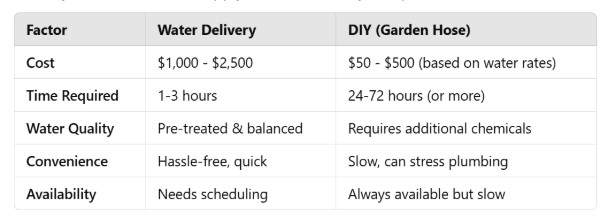
Choosing the best pool water delivery service depends on cost, speed, and water quality. While DIY filling is cheaper, it’s time-consuming and may require additional chemical treatment. A professional service provides clean, pre-treated water quickly and efficiently, making it the best option for large pools or urgent needs. Compare providers, read reviews, and assess your pool’s requirements to make the best choice for your home.