September 10, 2025
 Franchise vs. Own Business: Which Is Better for Growth?by admin / October 11, 2025
Live Better, Live Smart
The home products sector is in the midst of a green revolution. What was once monopolized by plastic, synthetic and mass-produced products, the industry is now moving toward environmentally friendly home products. From bamboo beds to biodegradable cleaning agents, Eco-Friendly Home Product Startups are finding new ways to cater to the increasing need for sustainable living.
But the truth is here: it doesn’t matter how wonderful your green product is. The hard part is creating visibility, trust and convincing people to opt for sustainability over convenience or price. That’s where effective marketing strategies come in.
This article breaks down actionable, progressive and practical marketing strategies that actually work for eco-friendly startups today and will keep working tomorrow.
70% of consumers indicate they’d pay more for sustainable products (Nielsen report).
Gen Z and Millennials, the greatest group of shoppers are united in their preference for eco-friendly brands.
The social media conversation around climate change, green living and responsible consumption influences their purchase behavior.
For sustainable startups, this movement is a golden bonanza. But it brings responsibility along: marketing must educate, inform and energize without greenwashing.
Brands like Unilever, Procter & Gamble and IKEA are already leveraging sustainable brand attributes. A startup with a smaller budget for marketing will need to be ingenious, using other attributes such as authenticity, flexibility and/or niche credibility to even be to be heard.
Green goods are generally more expensive due to ethical recruitment of labor, production procedures and smaller scale of production. Consumers subscribe to the philosophy of green living but pragmatism inhibits. Educating consumers about saving in the long run, durable products, efficient use of energy and health benefits will tackle this issue.
Some consumers simply do not understand why green products matter. For example, a biodegradable cleaning sponge may be “just expensive” alongside a regular sponge -unless consumers are educated on its green benefits.
Modern customers are quick to identify greenwashing, sustainability claims made without foundation. Honesty is essential. Those kinds of false promises known as greenwashing, do not work anymore. To earn trust, businesses must be upfront and share clear information. Startups in particular should focus on providing transparent and factual updates about their efforts.
Sustainable marketing creates:
A sample of a sustainable marketing tactic: A new company that sells bamboo furniture can create a blog entry on “The 10-Year Cost Savings of Bamboo vs. Plastic Chairs”.
The perfect way to share your story is with social media.
Example in India: Companies such as Brown Living leverage Instagram reels to encourage zero-waste lives, gaining loyal green communities.
Email is not dead- it’s alive and kicking. But rather than blanket discounts, eco-startups must invest in education-led email campaigns:
This generates community interaction and makes the brand a thought leader.
Convenience is what today’s shoppers adore. Startups build loyalty through:
Their iconic “Don’t Buy This Jacket” advert invited customers to buy less and reuse but drove sales higher because customers believed in their sincerity.
IKEA put money into solar panels, plant-based food and buy-back initiatives in order to make sustainability at scale accessible.
This company sells zero-waste items while also teaching others how to live . They earn money while staying true to their purpose.
It constructs long-term affinity based on values and principles of sustainability mutual respect.
Through local sourcing, refill offers and bulk packs.
It incorporates environmental principles in product, price, place and promotion.
Yes, with sustainable-influencers, hashtags and user-generated contents, social media can be beneficial to increase brand visibility.
Be transparent, show certifications and report measurable impact figures.
The future of Eco-Friendly Home Product Startups will be characterized by authenticity, innovation and education. Customers are not accepting of claims to be green, just claims.
They want proof, they want community, they want impact.
Innovative brands can leverage sustainability partnerships, AI-backed personalization, marketing strategies and storytelling to change eco-consideration into a pillar of competitive advantage. In the end, the brands that will succeed, will be the brands that will sell green products while allowing the consumer to have access to a green lifestyle.
Also read: Franchise vs. Own Business: Which Is Better for Growth?









Spotting 2222 everywhere? That clock at 22:22, the receipt total, or even a random address? Buckle up, because it’s no random glitch. The 2222 angel number delivers a special message from the universe which tells you to trust the process while you establish your balance and prepare for upcoming magical experiences. The number serves as your cosmic support system which announces that significant transformations will soon take place when life presents unexpected challenges.
Picture it like a green light at a chaotic intersection. Stuck in traffic, the 2222 says keep going; patience turns dreams into real. It’s a manifestation magnet, but only if you ditch negativity and stay adaptable.
Real talk: folks who journal sightings often notice breakthroughs days later.
Spiritually, 2222 packs master builder energy from 22, the powerhouse of turning visions into empires. Your guides nudge you to meditate, breathe deep and tune into that inner voice. Divine timing’s at play; rushing kills the vibe.
This number loves showing up during glow-ups, career pivots, heartbreak recovery, or soul-searching sabbaticals. Grab an amethyst or selenite, light a candle and ask: “What’s next?” Fears blocking abundance? 2222 says evict them. It’s your signal for spiritual alignment, where synchronicities explode like fireworks.
Lovebirds, rejoice! 2222 in relationships is pure harmony fuel. Couples get a divine memo: talk it out, forgive fast and team up against drama. Tense patch? This number heals rifts and deepening bonds like never before.
Singles, your twin flame or soulmate radar just pinged. Don’t swipe desperately; trust intuition for organic sparks. Shared 2222 sightings with a crush? Universe-confirmed chemistry. It’s all about mutual growth, turning “me” into “we” for epic love stories.
Career chaos? 2222 shouts collaboration over isolation. That dream gig or side hustle glows brighter through partners or mentors. Promotions simmer; patience is your secret weapon.
Entrepreneurs, scout alliances – joint ventures skyrocket. Stagnant desk job? Pivot boldly; faith paves golden paths. This number precedes windfalls, rewarding grinders who sync with purpose.
Track it: sightings often precede “yes” emails or lucky intros.
Finances? Stability’s knocking. Smart choices trigger surprise cash flow – think bonuses or gigs. Health-wise, balance rules: yoga, sleep and self-love mend what’s frayed. Personal growth? Embrace duality; light and shadow lessons forge unbreakable you.
It’s a lucky charm too. Numerology crowns 2222 as fortune’s favorite, pulling protection, opportunities and “just right” timing. Act aligned and doors fling wide.
Balance, faith and universe-backed progress – your path’s lit!
Awakening, manifestation mastery and perfect timing vibes.
It delivers a harmony boost. Twin flames spark and relationships heal fast.
The team wins big; promotions and purpose align soon.
Heck yes – abundance magnet with divine protection.
Seeing 2222? You’re chosen for greatness. Lean in, balance up and watch life transform. What’s your 2222 story? Share below!
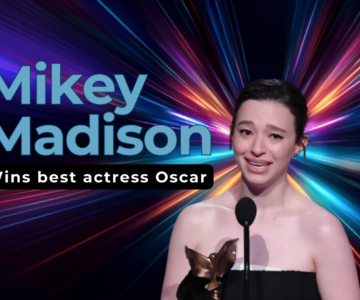
Mikey Madison is a talented American actress known for her captivating performances in both film and television. She has gained recognition for her roles in hit productions like Better Things and Scream (2022). With her unique screen presence and compelling acting skills, Mikey is quickly making a name for herself in Hollywood. In this article, we will explore her career, personal life, and what makes her stand out in the entertainment industry.
Born on March 25, 1999, in Los Angeles, California, Mikey Madison grew up in a family with a deep appreciation for the arts. Unlike many Hollywood stars, she didn’t initially plan to pursue acting. In fact, she was an avid equestrian and spent much of her childhood riding horses. However, her passion for storytelling led her to explore acting, and she soon realized that it was her true calling.
Mikey Madison’s big break came when she was cast as Max Fox in FX’s critically acclaimed series Better Things. The show, created by and starring Pamela Adlon, follows the life of a single mother raising three daughters while navigating her career in Hollywood. Mikey played the role of Max, the eldest daughter, with remarkable depth and authenticity, earning praise from both audiences and critics alike.
Her performance in Better Things showcased her ability to bring complex characters to life. She perfectly captured the struggles and triumphs of a teenager growing up in a chaotic yet loving household. The show ran from 2016 to 2022, giving Mikey ample opportunity to develop her character and grow as an actress.
In 2019, Mikey Madison took a significant step in her career by landing a role in Quentin Tarantino’s Once Upon a Time in Hollywood. She played the character of Susan “Sadie” Atkins, a member of the infamous Manson Family. The film, starring Leonardo DiCaprio, Brad Pitt, and Margot Robbie, was a massive success and brought Mikey into the limelight.
Although her role was relatively small, her performance left a lasting impression. Playing a villainous character in such a high-profile film proved her versatility as an actress. Her ability to portray dark, intense roles set her apart and led to more opportunities in the thriller and horror genres.
One of Mikey Madison’s most notable roles to date is Amber Freeman in Scream (2022). As a fresh installment in the legendary horror franchise, the movie was highly anticipated by fans. Mikey’s character played a crucial part in the film’s thrilling plot twists, and her performance was widely praised.
Her portrayal of Amber Freeman added a new dimension to the Scream franchise. She brought a chilling, unpredictable energy to the role, proving her ability to thrive in horror films. This performance solidified her reputation as an emerging scream queen, placing her alongside some of the genre’s most iconic actresses.
Several factors contribute to Mikey Madison’s rising success:
Her ability to take on complex, multi-dimensional characters makes her one of Hollywood’s most exciting young talents.
Mikey Madison continues to build an impressive filmography, and fans eagerly anticipate her future projects. While she keeps her personal life relatively private, she remains focused on taking on challenging and meaningful roles. With her dedication and talent, she is expected to become one of Hollywood’s top actresses in the coming years.
Mikey Madison is undoubtedly a rising star in Hollywood. From her breakthrough role in Better Things to her chilling performance in Scream (2022), she has proven her versatility and talent. As she continues to grow in the industry, it is clear that she has a bright future ahead. Whether in drama, thriller, or horror, Mikey Madison’s performances are always compelling, making her an actress to watch in the years to come.